
When disaster strikes—whether it’s flooding, severe storms, or major leaks—your home will be damaged by water and moisture. Left untreated, this damage can lead to mold growth, compromising the safety of your home and the health of your family. At PureHealth Mold Inspections, we specialize in providing comprehensive mold and moisture assessments to help you respond effectively to these challenges. Our team shows up promptly and uses professional-grade testing techniques to assess the situation. Once we’ve completed the inspection, we will provide a comprehensive report going over every detail.
Disasters involving water can leave behind more than visible damage. Mold thrives in damp environments, often developing in hidden spaces like behind walls, under flooring, or inside HVAC systems. Without a thorough inspection, mold growth can worsen over time, creating long-term structural and health risks.
Our mold inspections ensure that every area of concern is identified so you can take the right steps to protect your property and your loved ones.
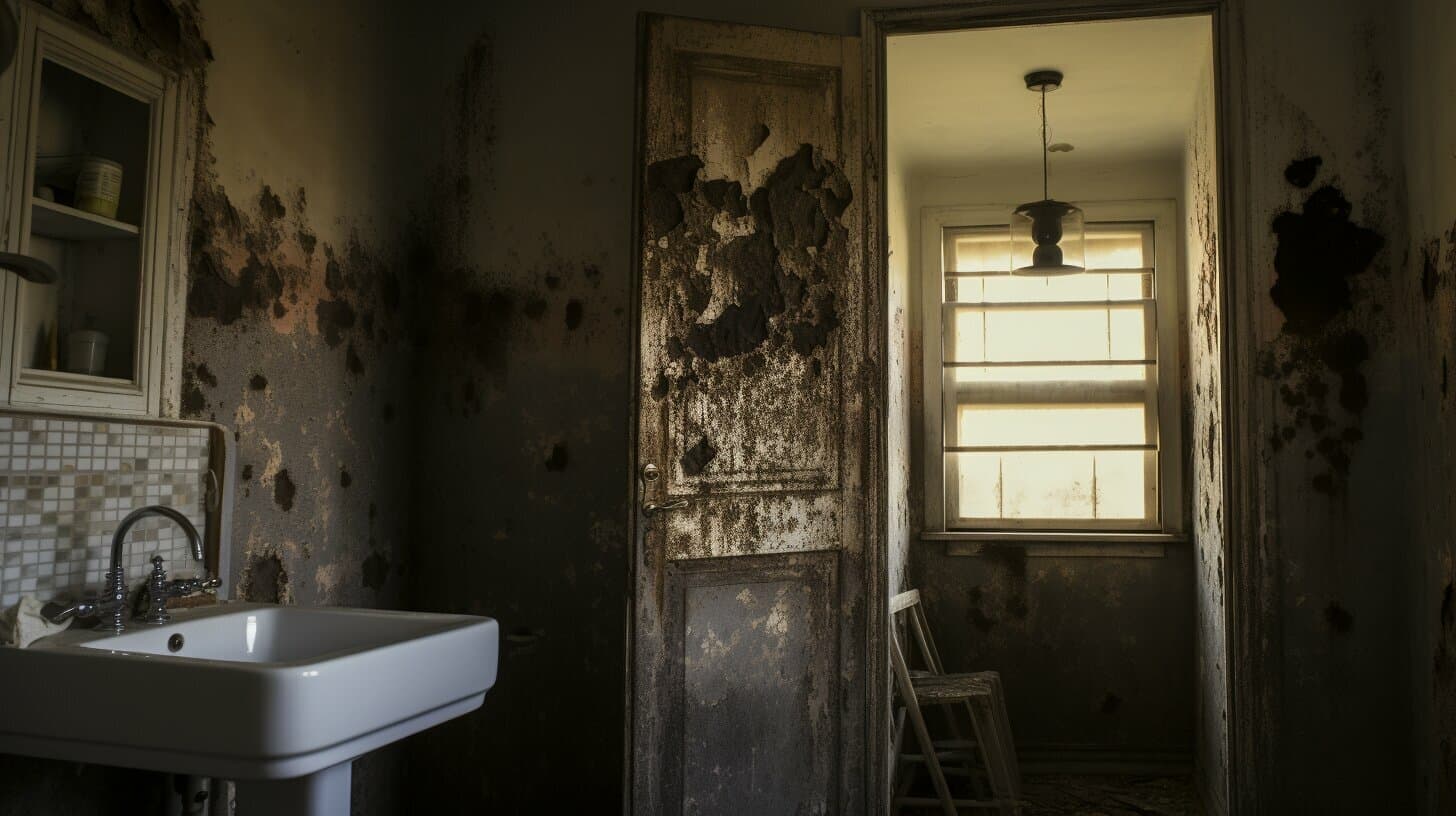
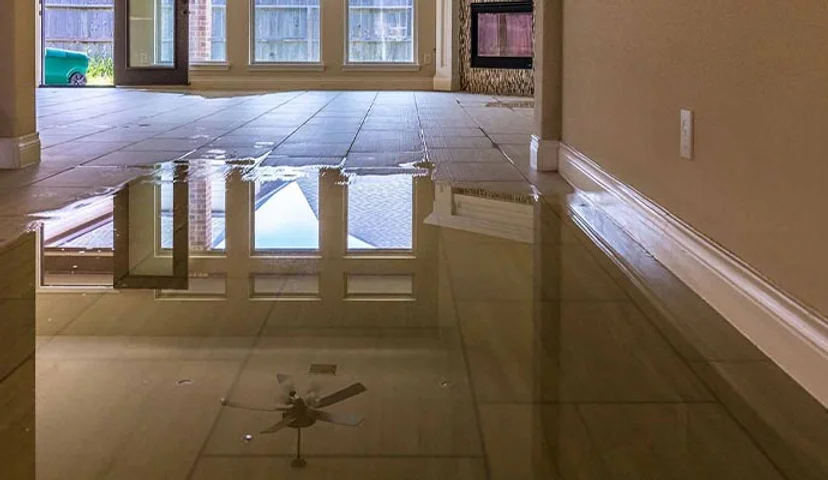
Flooding is one of the most devastating water-related disasters a home can face. When floodwaters enter a property, they don’t just affect visible areas—they seep into walls, floors, insulation, and even the foundation. This creates a prime environment for mold growth, especially in porous materials like drywall, carpets, and wood.
Even after professional water extraction, moisture often remains trapped in hidden areas. Within 24-48 hours, mold spores can begin to colonize these damp spaces, spreading rapidly if not addressed. Additionally, floodwaters frequently carry contaminants such as dirt, bacteria, and chemicals, which can exacerbate health risks and complicate cleanup efforts.
A thorough mold inspection after flooding identifies not only visible mold but also hidden moisture pockets, enabling targeted remediation before problems escalate.
Severe storms can wreak havoc on a home’s structure, causing roof damage, broken windows, and water intrusion through cracks in walls or the foundation. While some storm damage is easy to spot, such as fallen debris or visible leaks, other damage is more subtle and often goes unnoticed until it causes significant issues. We’ve seen storms come through our service areas – St. Louis, Kansas City, and Nashville – and are prepared to help homeowners.
Water that enters through storm damage can soak insulation, wooden beams, and other structural components, creating conditions ideal for mold growth. Over time, this can compromise the integrity of your home and impact indoor air quality.
A professional mold inspection following a storm ensures that all areas of potential water intrusion are thoroughly assessed, from the attic to the crawl space, giving you a complete picture of the damage and how to address it.
Burst pipes, plumbing malfunctions, and appliance failures—such as a broken washing machine or leaking water heater—can cause extensive water damage in a short amount of time. The challenge with leaks is that the water often spreads into hidden or hard-to-reach areas, such as behind walls, under floorboards, or within cabinetry.
Even if the immediate leak is repaired, residual moisture can linger, leading to mold growth that may not be visible until it has already caused significant damage. This is particularly problematic in kitchens, bathrooms, and basements, where humidity levels are already higher.
A comprehensive mold inspection ensures that every affected area is identified and assessed, preventing long-term damage and health risks from undetected mold.
A sewage backup is not only a messy and unpleasant situation but also a serious health hazard. When sewage water enters a property, it brings harmful bacteria, viruses, and pathogens that can pose immediate risks to occupants. To make matters worse, the damp, contaminated environment is a breeding ground for mold.
Mold growth in these situations is often accelerated by the high organic content in sewage water, which provides a rich food source for spores. The combination of mold and bacteria can create a toxic indoor environment, making professional testing and remediation critical.
Comprehensive mold inspection in the aftermath of a sewage backup includes testing for airborne mold spores and assessing the extent of moisture and contamination, ensuring that every area is addressed safely and effectively.
Hurricanes and tornadoes bring widespread destruction, often leaving homes exposed to significant water damage from torrential rain, flooding, or structural breaches. Broken roofs, shattered windows, and damaged siding allow water to enter, soaking walls, ceilings, floors, and insulation.
The chaos of such extreme weather events can make it easy to overlook moisture-related issues that lead to mold growth. However, the long-term consequences of unchecked mold can include structural decay, decreased property value, and serious health risks for residents.
A post-hurricane or tornado mold inspection is a vital part of disaster recovery. By assessing the full extent of water damage and identifying hidden mold, you can take proactive steps to restore your home and protect your family’s health.
Our team of highly trained technicians provides a detailed assessment of your home to help you understand the extent of moisture damage and mold risks.
At PureHealth Mold Inspections, we bring the expertise, technology, and care you need to navigate disaster recovery with confidence. You can expect:

Disasters like flooding and severe storms can feel overwhelming, but you don’t have to face the aftermath alone. PureHealth Mold Inspections is here to help you assess and address moisture damage, ensuring your home is safe and healthy for years to come.
Contact us today to schedule a disaster response mold inspection. Let our team give you the comprehensive insights you need to take the appropriate steps toward recovery and peace of mind.