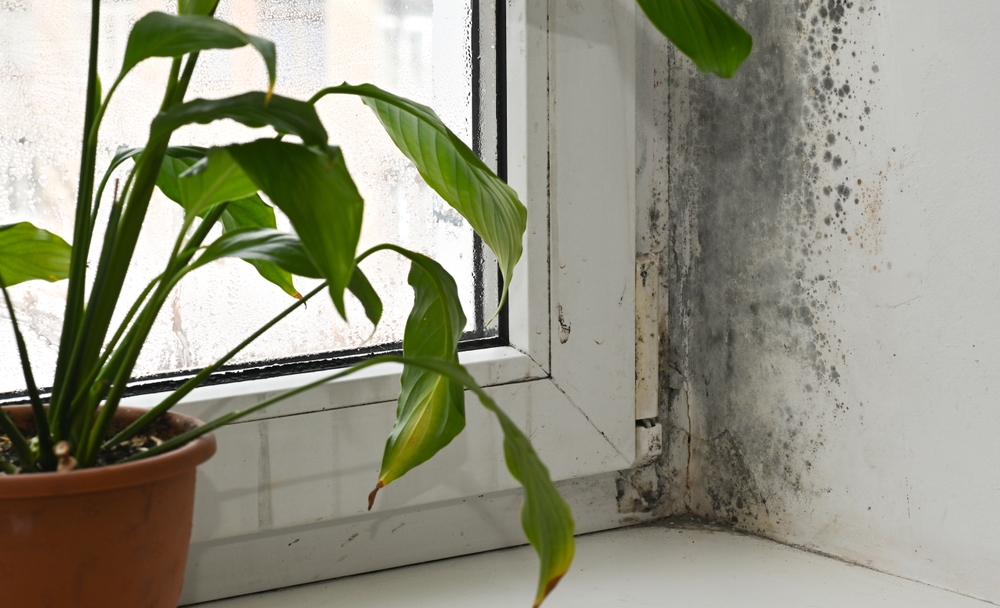

Mold growth can cause property damage and health issues, so it needs to be removed from your home as quickly as possible. Bleach solutions provide an easy and inexpensive way of eliminating mold growth and preventing its return. But exactly how does bleach kill mold?
In this article, Pure Health Mold is going to provide some tips on how to safely rid your home of mold. Our mold experts will explain what makes bleach so effective when it comes to removing mold, safety tips for using bleach properly, and other methods for tackling molds. We’ll also tell you what steps to take when a mold problem gets so out of control it requires professional intervention.
Why Should You Remove Mold?
There are a lot of good reasons to get rid of mold. In addition to looking like ick, mold also produces an odor that can give the air in your home an unpleasant musty smell.
As mold grows, it deteriorates the surfaces it grows on. Over time, this can lead to structural damage to walls and ceilings. It can also damage personal belongings like books, clothes, and paintings.
It gets worse. Mold can make you sick. Mold releases spores and toxins into the air that can create problems for infants, young children, older adults, and those with respiratory issues. If you’ve been experiencing persistent headaches, coughs, or skin irritation, chances are mold is to blame.
What Is Bleach, And How Does It Work?
Bleach is a chemical cleaning agent with strong disinfectant properties used to clean mold-contaminated surfaces. It releases chlorine atoms that break down the cell walls of molds, killing them. Additionally, it can penetrate mold spores and hyphae, the root-like structures that molds form.
Bleach’s strong smell and corrosive nature can cause problems when not used safely. And while bleach can kill surface mold effectively, it may not be the best option for all mold problems, as it is less effective on porous materials where mold roots burrow deep and doesn’t prevent new mold growth if moisture problems aren’t addressed. In addition, some mold species are resistant to bleach, making alternative methods necessary in certain cases.
The Pros and Cons of Using Bleach for Mold Removal
The benefits of using bleach to kill mold include:
- Bleach is easy to find at most stores.
- It’s inexpensive and fast-acting.
- On non-porous surfaces, bleach often removes mold visibly.
- You’ll see quick results, which feels satisfying.
There are some disadvantages:
- It doesn’t work well on porous surfaces like drywall or wood.
- Breathing bleach fumes can harm your lungs and eyes.
- Improperly using bleach can make indoor air quality worse.
- It may discolor surfaces or cause damage over time.
- To prevent mold from regrowing, it’s essential to eliminate the roots.
Does Bleach Effectively Kill Mold Spores?
Bleach can kill surface mold on areas like bathroom tiles and kitchen counters, making it seem like a fast solution for mold problems. The sodium hypochlorite in bleach destroys mold cells, but it fails to eliminate spores in porous materials like wood or fabric.
While bleach is effective on non-porous surfaces, it may not prevent regrowth due to trapped spores in porous surfaces. The effectiveness of bleach varies with the mold type and application method.
Overuse can cause harmful fumes and damage surfaces, and it won’t remove the mold’s root system. Therefore, bleach may only be a temporary fix for mold issues, and other methods may be necessary for long-term prevention.
Better Ways to Remove Mold Safely and Effectively
Here are some effective alternatives to using bleach to kill mold:
Mechanical Methods
Scrubbing mold off with soap and water works well on non-porous areas. Use a stiff brush and wear gloves and a mask. You can also try gentle, non-toxic cleaners made specifically for mold. These won’t give off harmful fumes, but still clean well.
Chemical Alternatives
Other natural substances can kill mold without the risks of bleach. Popular options include:
- White Vinegar: Spray it on the mold and let it sit before scrubbing.
- Hydrogen Peroxide: Use a 3% solution to spray and wipe.
- Baking Soda: Make a paste or add to water to clean surfaces.
Always test these solutions first and use gloves, masks, and good ventilation.
Preventing Mold Growth
Control humidity in your home, keeping it below 50%. Fix leaks fast and ensure good airflow with fans or vents. Regular cleaning and controlling moisture are key to stopping mold from coming back.
When to Seek Help
If mold keeps returning or covers a large area, professional help is best. Experts can assess structural issues and ensure total removal.
Steps For Safely Removing Mold with Bleach
Here’s how to safely and effectively remove mold using bleach:.
Follow this four-step process to safely and effectively remove mold using bleach:
- Ensure good ventilation by opening windows and doors to let in fresh air. This helps reduce harmful fumes.
- Protect yourself by wearing gloves, goggles, and a mask to avoid allergic reactions and respiratory issues from mold spores.
- You can create an effective cleaning solution by mixing one cup of bleach with one gallon of water; do not use undiluted bleach as it can be too harsh.
- Scrub the moldy area with a stiff brush dipped in the solution, paying special attention to the edges of mold patches.
- After scrubbing, rinse the area with clean water and dry it completely since mold grows in damp places. Use fans or dehumidifiers to speed up drying.
- Check the area to see if the mold is fully removed, and repeat the cleaning process, if necessary, especially if the mold comes back. While bleach can be helpful, it is not a complete solution for all mold issues, so proper safety, thorough cleaning, and controlling moisture are essential.
Considerations When Using Bleach for Mold Removal
Does bleach kill mold? The answer depends on the surface, the type of mold, and safety precautions. Be informed and choose wisely to ensure your home stays clean and healthy. Contact Pure Health Mold now to get expert advice on mold removal and learn more about the safest, most effective methods to remove mold from your home.