
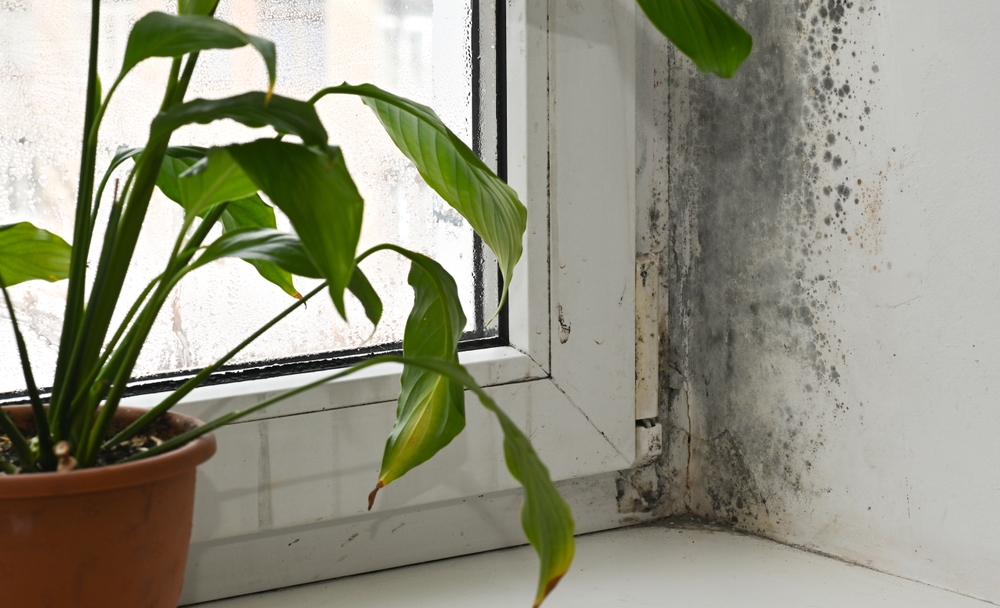
Does mold make you itch? For many people, the answer is yes. Mold exposure can trigger a wide range of symptoms that affect not only the respiratory system but also the skin and mucous membranes.
Mold-related reactions are often misunderstood or overlooked, since symptoms are mild or fluctuate in severity. However, persistent itching, skin irritation, and nasal symptoms may be your body’s way of responding to mold in your environment. Understanding how mold affects the body can help you recognize symptoms early and take steps toward relief.
In this article, Pure Health Mold answers the question, “Why does mold make you itch?” We’ll explore how mold affects the body (focusing on the skin and nasal cavities), the symptoms associated with mold allergies, and practical steps to reduce exposure and mitigate its impact on skin and respiratory health.
Does Mold Make You Itch?
Yes—mold can make you itch. Mold exposure may cause itching through allergic reactions, immune system activation, or direct irritation of the skin and nasal passages. These reactions vary widely depending on an individual’s sensitivity, immune response, and duration of exposure.
For some people, symptoms are immediate and obvious. For others, the condition develops gradually, making it more difficult to connect to mold exposure.
How Mold Triggers Itching in the Body
Mold releases tiny particles called spores, which can impact health, particularly in individuals with sensitivities or allergies. When these mold spores are either inhaled or come into contact with the skin, they can provoke an immune system reaction, leading to symptoms such as itching. The body sees mold spores as threats, releasing histamines that cause redness and irritation. This is common in people with mold allergies or asthma, but healthy individuals may also react mildly after prolonged exposure.
Reducing indoor mold and limiting contact with contaminated areas can help prevent these problems. Mold releases spores, fragments, mycotoxins, and volatile organic compounds that can activate immune responses.
Common Types of Mold Found Indoors
Since indoor mold is a frequent cause of itching and other allergic reactions, it is essential to be able to identify the most common types:
- Cladosporium is frequently found on wood, carpets, and fabrics, and is known to trigger skin irritation and respiratory issues.
- Penicillium grows on damp materials such as wallpaper and insulation. Penicillium can cause allergic reactions, including itchy skin.
- Aspergillus is commonly found in dust and hidden areas; some species produce mycotoxins that exacerbate symptoms such as itching and inflammation.
- Alternaria, often found in damp environments such as bathrooms, is a potent allergen associated with skin rashes and itching.
- Stachybotrys, or black mold, thrives on water-damaged materials and is notorious for severe allergic responses, including persistent itching.
Understanding these molds helps highlight why exposure often leads to itchy skin, emphasizing the importance of mold prevention and remediation in indoor environments.
Skin Irritation: Can Mold Cause Itching?
For some, mold exposure can lead to skin irritation and itching. While not everyone has allergic reactions to mold, certain individuals may experience discomfort when they come into contact with mold spores or contaminated areas. This can cause redness, itching, and rashes due to allergens and irritants released by the mold.
People with allergies or sensitive skin may experience conditions like eczema. To alleviate skin irritation and reduce mold exposure, it is helpful to acknowledge mold as a possible irritant and take steps to address issues like water damage and improve air quality.
Sneezing and Nasal Symptoms from Mold Exposure
Mold exposure can be a significant trigger for sneezing and other nasal symptoms, directly linking to the common question: “Does mold make you itch?” Mold spores that are inhaled into the nasal passages frequently trigger an immune response, resulting in inflammation and irritation. This reaction typically manifests as sneezing, nasal congestion, a runny nose, and itching inside the nose.
These symptoms are part of the body’s defense mechanism, trying to expel the irritants. Importantly, individuals sensitive to mold may experience more intense reactions, including persistent nasal discomfort and frequent sneezing fits. Addressing mold exposure not only helps reduce itching but also alleviates these nasal symptoms, improving overall respiratory comfort.
Understanding this connection empowers you to take proactive steps—like improving indoor air quality and removing mold sources—to reclaim relief and breathe easier. Mold doesn’t just make you itch; it can disrupt your nasal health in powerful ways, but with proper management, these effects are entirely controllable.
Identifying Mold Allergies: Signs and Symptoms
Mold exposure can cause itching, but identifying if mold is the cause requires recognizing specific allergy symptoms. Those allergic to mold may suffer from persistent skin rashes, red or watery eyes, and nasal congestion due to their immune system reacting to mold spores.
Other symptoms can include sneezing, coughing, and asthma-like breathing issues. These symptoms may get worse in damp areas or after cleaning mold. Early identification allows for controlled exposure, consulting health professionals, improving air quality, and managing mold allergies effectively.
Tips for Preventing Mold Growth in Your Home
Mold is more than just an eyesore—it can cause persistent itching and allergic reactions, affecting your comfort and health. Preventing mold growth is essential to avoid these irritating symptoms.
- First, control moisture by fixing leaks promptly and using dehumidifiers in damp areas like basements.
- Second, one of the most effective ways to prevent mold-related issues is through regular home inspections.
- Third, ensure proper ventilation in bathrooms and kitchens to reduce humidity buildup.
- Fourth, regularly clean vulnerable spots such as shower tiles and window sills with mold-inhibiting solutions.
- Fifth, keep your home’s indoor humidity levels below 60% to discourage mold spores from thriving.
- Lastly, address water damage immediately; even small spills or floods can create a perfect environment for mold if left unattended.
By proactively managing these factors, you not only protect your home but also reduce the risk of mold-related itching and discomfort—creating a healthier living space for you and your family.
Treatment Options for Mold-Related Symptoms
Experiencing itching and discomfort from mold exposure can be tough, but effective treatments are available. Reducing mold exposure is key, which involves improving ventilation and addressing any damp areas. Antihistamines can help relieve itching and allergic reactions.
For more severe symptoms, corticosteroid creams or oral medications can reduce inflammation. Nasal sprays or allergy shots may help with respiratory issues.
It’s also important to support your immune system through diet, hydration, and stress management. Taking these steps can help you more effectively manage your mold-related symptoms.
Conclusion: Managing Health Risks from Mold Exposure
Mold exposure can indeed cause itching and other uncomfortable symptoms; understanding and managing these health risks is essential for your well-being.
Effective mold remediation and proper indoor ventilation are key to minimizing exposure and preventing allergic reactions. If you experience persistent itching or respiratory issues, consulting a healthcare professional is crucial for accurate diagnosis and treatment.
Taking proactive steps—such as controlling humidity levels and promptly addressing water damage—can significantly reduce mold growth in your home or workplace. Don’t let mold compromise your health; early intervention is powerful.
Contact us today to learn more about effective mold management solutions and protect yourself and your loved ones from its harmful effects.