
The quality of the air inside your home directly affects your health, comfort, and overall well-being. From persistent allergies to more serious respiratory conditions, poor air quality can be the silent culprit behind many common health issues.
At PureHealth Mold Inspections, we offer comprehensive air quality inspections designed to uncover hidden dangers like mold spores, allergens, and other pollutants. Using InstaScope technology, our goal is to help you understand the health of your indoor environment and take actionable steps to improve it.
Poor air quality can transform your home into a source of ongoing health challenges. Studies show that the air inside homes can be 2-5 times more polluted than outdoor air. You may not be dealing with smog, but you’re likely breathing in trapped pollutants, struggling with poor ventilation, and reacting to undetected mold or allergens.
Some of the most common issues related to poor air quality include:
Persistent sneezing, itchy eyes, and congestion may be linked to airborne allergens like mold, dust mites, or pet dander.
Polluted indoor air can trigger inflammation throughout the body, exacerbating chronic conditions such as arthritis or autoimmune diseases.
Contaminants in the air can worsen asthma, COPD, or other breathing disorders, making it harder to manage these conditions.
Pollutants like VOCs (volatile organic compounds) from household cleaners, paints, and furniture can contribute to mental fog and low energy levels.
Our air quality inspections go beyond surface-level evaluations to provide an in-depth analysis of your indoor air. Our certified inspectors use advanced tools and techniques to detect hidden problems and provide a clear picture of your home’s air quality.
Here’s what we test for:
Mold Particulate Matter
PureHealth Mold Inspections assesses the presence of airborne mold particulate matter, which consists of tiny fragments of mold spores or fungal material. These particles are often invisible to the naked eye and can contribute to respiratory issues, allergies, and other health concerns, particularly in individuals with mold sensitivities or compromised immune systems.
Pollen
Pollen is a common allergen that can infiltrate indoor environments, exacerbating symptoms like sneezing, itchy eyes, and nasal congestion. PureHealth tests for pollen to determine whether it may be contributing to indoor air quality issues and affecting the health of building occupants.
Volatile Organic Compounds (VOCs)
VOCs are chemical compounds that easily evaporate into the air, often originating from household products, construction materials, or furnishings. Prolonged exposure to high levels of VOCs can lead to headaches, dizziness, and long-term health issues. PureHealth identifies and measures VOC levels to help reduce exposure and improve indoor air safety.
Carbon Dioxide (CO₂)
Elevated CO₂ levels in indoor spaces can lead to fatigue, decreased focus, and poor air quality. PureHealth measures CO₂ concentrations to ensure proper ventilation and maintain a healthy, oxygen-rich environment for optimal comfort and well-being.
Humidity
Humidity levels significantly impact indoor air quality and the potential for mold growth. PureHealth monitors humidity levels to identify whether excess moisture could be creating a favorable environment for mold, dust mites, or bacteria, as well as to prevent respiratory discomfort from overly dry air.
Bacteria & Viruses
The presence of bacteria and viruses in indoor environments can pose serious health risks, especially for individuals with weakened immune systems. PureHealth tests for microbial contamination, helping to identify and address sources of infection to promote a safer and healthier indoor space.
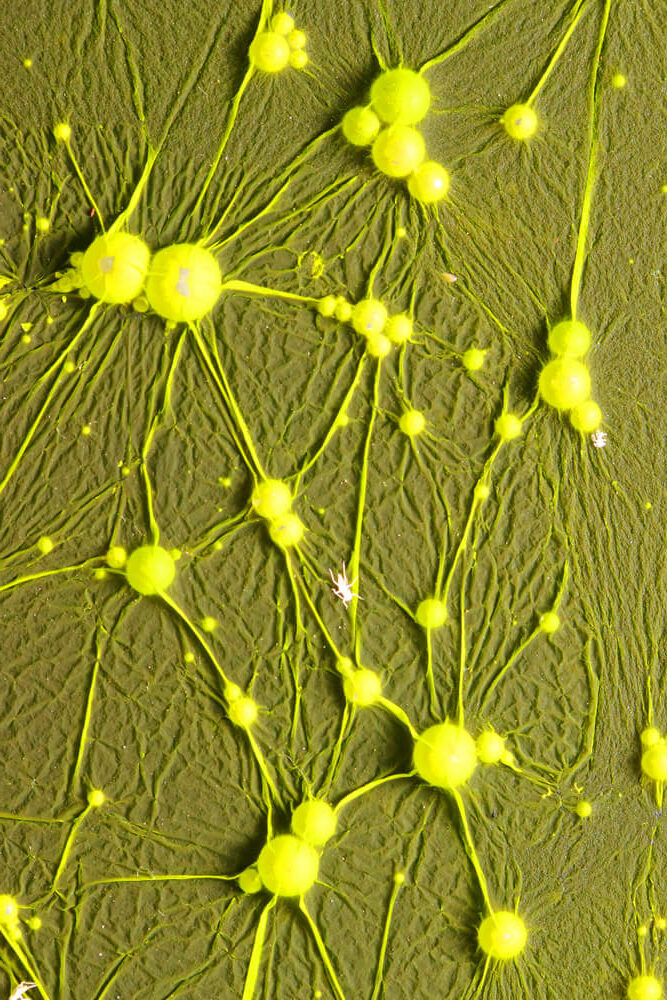
ERMI (Environmental Relative Moldiness Index) testing is a method that uses DNA analysis to measure mold contamination in indoor environments by identifying and quantifying specific mold species from collected dust samples. Many clients choose this as a useful add-on.
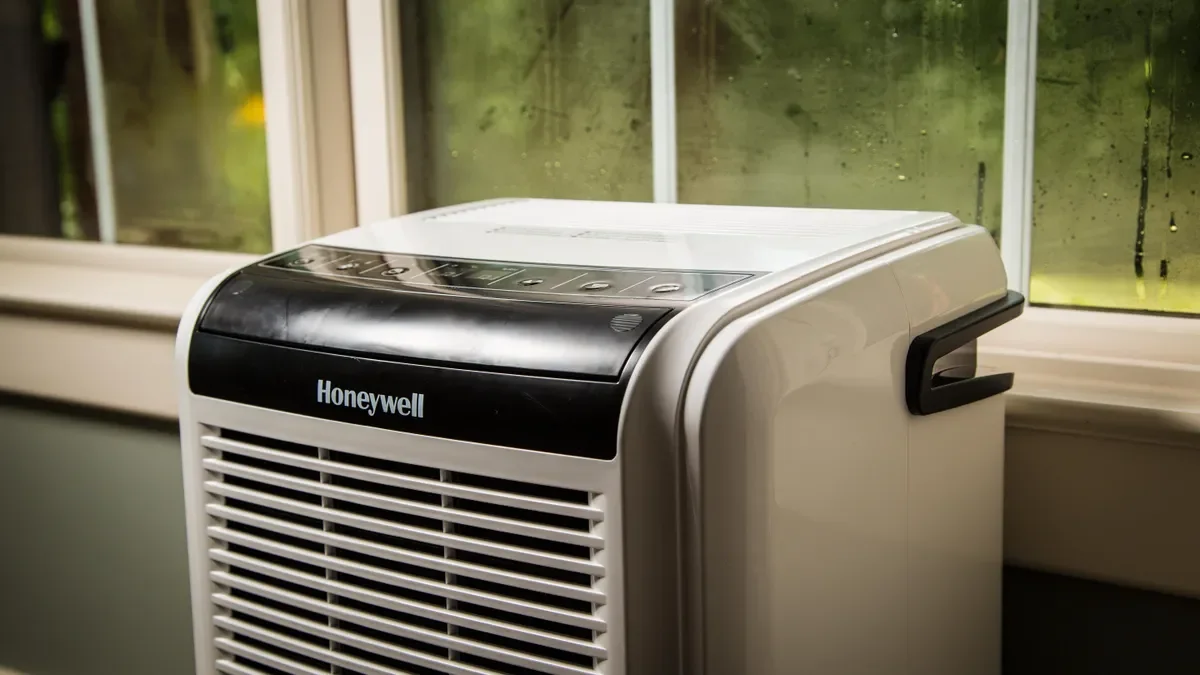
Many homes suffer from poor air circulation or ineffective HVAC systems, which allow pollutants to build up over time. Our inspection will help determine whether your home could benefit from an air filtration system. Advanced filtration systems can:
If needed, we’ll guide you in selecting the right air filtration system for your home and provide insights on how to maintain clean, breathable air year-round.
PureHealth Mold Inspections combines state-of-the-art technology, certified expertise, and a health-focused approach to deliver air quality inspections you can trust. Here’s why families and businesses choose us:

Your home’s air quality directly impacts your health and comfort. Don’t leave it to chance. Whether you suspect mold, experience ongoing allergy symptoms, or simply want peace of mind, PureHealth Mold Inspections is here to help.
Contact us today to schedule an air quality inspection. Let us help you uncover hidden pollutants, improve your home’s air, and create a healthier living space for you and your loved ones.