Chronic Inflammatory Response Syndrome (CIRS) is a complex and often misunderstood illness caused by prolonged exposure to biotoxins, most commonly from mold or water-damaged buildings. Increasing research supports CIRS as a legitimate medical condition, characterized by an overactive immune response and widespread inflammation.
Common symptoms include fatigue, cognitive problems, respiratory issues, and joint pain—all of which can significantly affect quality of life. Recognizing CIRS is essential for accurate diagnosis and effective treatment. With advancements in diagnostic tools, such as specialized blood tests, healthcare providers can better identify and manage this condition.
This article with Pure Health Mold explores the intricacies of CIRS, examining its symptoms, underlying causes, current research, and treatment options, while addressing the ongoing controversies surrounding this chronic health concern.
Understanding the Symptoms of CIRS
Chronic Inflammatory Response Syndrome (CIRS) is a complex illness caused by prolonged exposure to biotoxins like mold and bacteria. Symptoms vary and affect multiple body systems, making diagnosis challenging.
- Fatigue and Weakness: Persistent, debilitating fatigue that doesn’t improve with rest.
- Cognitive Impairment: Brain fog, difficulty concentrating, memory lapses, and slowed processing speed.
- Respiratory Problems: Chronic cough, shortness of breath, nasal congestion, sinus inflammation, and wheezing.
- Muscle and Joint Pain: Unexplained muscle aches, stiffness, and joint pain.
- Headaches and Migraines: Recurring, severe headaches triggered or worsened by environmental exposures.
- Visual Disturbances: Blurred vision, light sensitivity, or other visual changes.
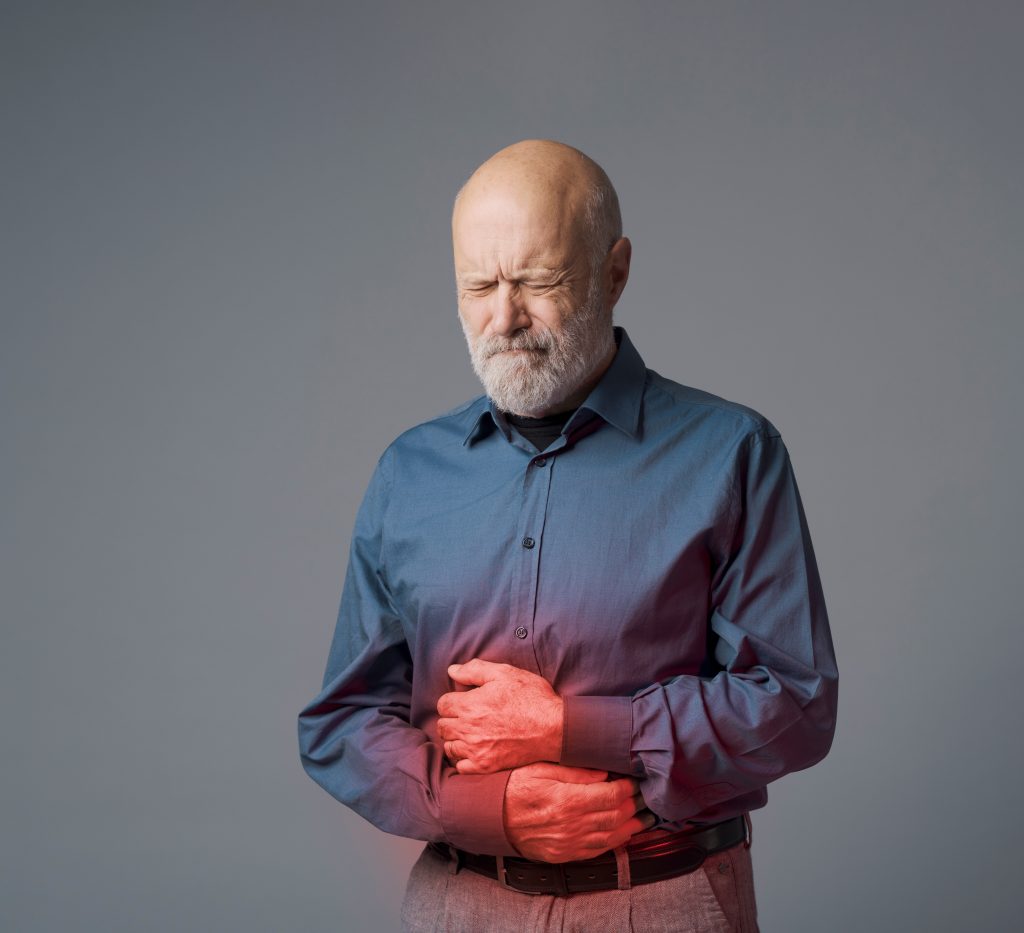
- Gastrointestinal Issues: Symptoms such as nausea, abdominal discomfort, diarrhea, or bloating.
- Temperature Dysregulation: chills, cold extremities, or inability to regulate body temperature effectively.
- Mood and Sleep Disturbances: Depression, anxiety, irritability, and sleep problems like insomnia.
Early detection requires clinical evaluation, environmental exposure, and specialized testing. Increased awareness helps healthcare providers address CIRS and improve patient outcomes.
The Role of Mold in CIRS
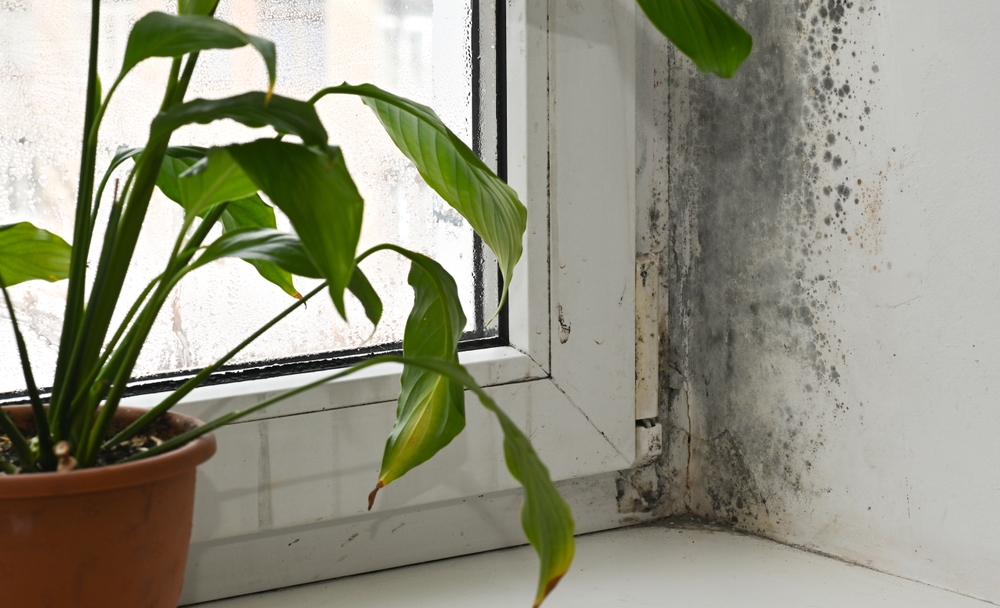
Mold, particularly in water-damaged buildings, triggers Chronic Inflammatory Response Syndrome (CIRS) by releasing toxic mycotoxins. These toxins can affect the immune system and cause inflammation in susceptible individuals. Exposure to mold, particularly in water-damaged buildings, releases harmful substances known as mycotoxins, which can profoundly affect the immune system and contribute to the development of CIRS in susceptible individuals.
In individuals with specific HLA gene variants, the body struggles to clear these biotoxins, leading to chronic immune activation. Symptoms include fatigue, cognitive difficulties, respiratory issues, muscle pain, headaches, and mood disturbances.
Identifying and remediating mold-related CIRS is challenging due to biotoxin exposure often occurring in hidden or poorly ventilated areas. Therefore, early detection, environmental intervention, and targeted medical treatment are crucial for managing CIRS.
Long-term Health Implications of Untreated CIRS
Mold-induced Chronic Inflammatory Response Syndrome (CIRS) is a severe medical condition that can lead to chronic fatigue, cognitive decline, respiratory issues, and immune system dysfunction.
Untreated CIRS can lead to chronic fatigue, neurological symptoms, respiratory issues, immune system dysfunction, joint and muscle pain, hormonal and endocrine disruption, digestive problems, organ damage, and an increased risk of other chronic diseases. Chronic inflammation can cause fatigue, muscle weakness, cognitive dysfunction, respiratory issues, hormonal imbalances, digestive problems, organ damage, and increased risk of cardiovascular disease, autoimmune disorders.
Early diagnosis and targeted treatment can lead to significant recovery. Recognizing CIRS as a genuine disease empowers patients and healthcare providers to take proactive steps towards healing, driving advances in therapies and transforming the illness into a manageable condition.
Treatment Options for CIRS
Although CIRS is complex, effective treatments are available that can help patients regain their health and manage symptoms.
Key treatment strategies include:
- Eliminating Exposure: The first and most critical step is to remove yourself from the source of biotoxins, such as mold-contaminated buildings. Without this, recovery is difficult.
- Using Binders: Medications like cholestyramine can help remove circulating toxins from the body.
- Restoring Balance: Correcting hormonal imbalances and nutrient deficiencies supports immune and neurological function.
- Reducing Inflammation: Anti-inflammatory medications can help calm the overactive immune response.
- Personalized Care: Lifestyle adjustments, nutritional support, and ongoing monitoring are key to long-term recovery.
These treatment strategies highlight that CIRS is not only real but manageable with the right approach, empowering patients to reclaim their health confidently.
Preventing Mold Exposure in Your Home
Mold exposure is a critical factor in Chronic Inflammatory Response Syndrome (CIRS), a condition gaining recognition for its serious impact on health. Preventing mold growth in your home is not just about cleanliness, it’s about safeguarding your well-being.
Start by controlling moisture levels: use dehumidifiers, fix leaks promptly, and ensure proper ventilation in bathrooms and kitchens. Regularly inspect areas prone to dampness, such as basements and behind appliances. Choosing mold-resistant materials during renovations can also make a significant difference.
A proactive approach to managing your home’s environment reduces your risk of developing symptoms linked to mold toxins. Taking these precautions helps safeguard your health and supports your body’s resilience and vitality.
Conclusion: Addressing CIRS as a Serious Health Concern
Chronic Inflammatory Response Syndrome (CIRS) is increasingly recognized as a serious and legitimate health condition, often triggered by mold exposure. Despite ongoing debate, scientific evidence confirms that CIRS can cause debilitating, long-term symptoms affecting multiple systems in the body.
Ignoring or dismissing the condition can lead to unnecessary suffering and a diminished quality of life. Early diagnosis and proper treatment are crucial for effective management.
If you suspect mold-related illness or are experiencing unexplained chronic symptoms, seek professional evaluation as soon as possible.
Pure Health Mold provides thorough assessments and personalized care plans to help you regain your health and vitality. Contact us today to take the first step toward recovery and a healthier future.