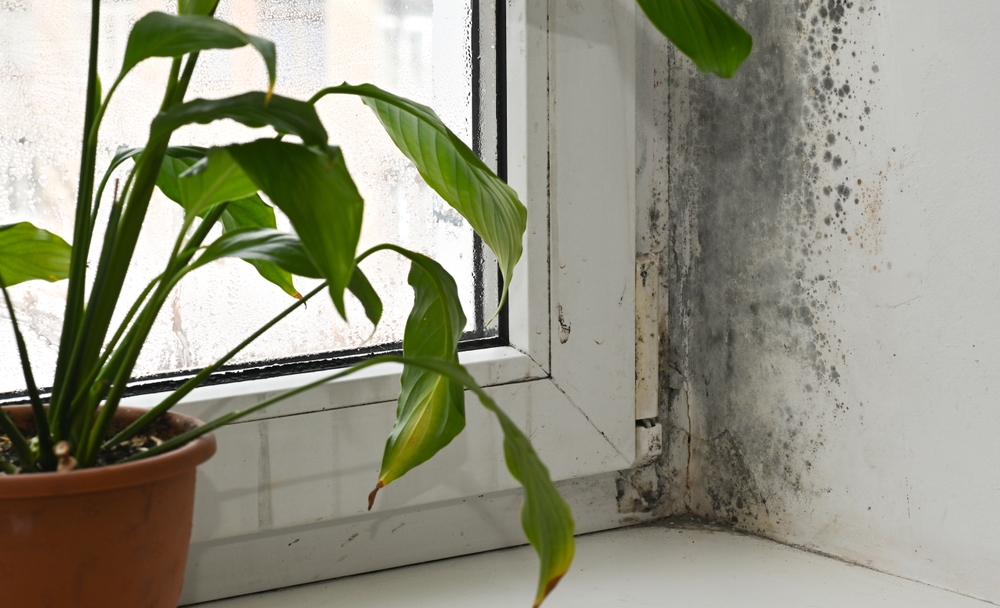

Is there a lot of mold in Chicago? There’s mold everywhere, and the Windy City is no exception. Chicago’s climate, building styles, and seasonal weather patterns create unique conditions that can allow mold to thrive—often unnoticed.
Left unchecked, indoor mold growth in Chicago can cause structural damage to buildings and create health issues for their occupants. Knowing how to mitigate the risks of mold growth is essential to maintaining a safe indoor environment.
In this article, Pure Health Mold aims to provide a comprehensive overview of the mold situation in Chicago, highlighting the risks, causes, and necessary measures to prevent and effectively address mold infestations.
Understanding Mold: What It Is and How It Grows
Mold is a type of fungus that thrives in damp, warm environments, making it a common concern in many urban areas, including Chicago. It reproduces through tiny spores that float through the air and settle on surfaces where moisture is present. Once established, mold can grow rapidly on materials like wood, drywall, and fabric.
While mold is a natural part of our environment, recognizing its growth patterns allows Chicagoans to protect their homes and health effectively. The region’s humid summers, heavy snowfall and melting, seasonal humidity spikes, and frequent rain create ideal conditions for mold growth, especially in older buildings with poor ventilation or water damage.
Understanding what mold is and how it grows and spreads is critical to transforming mold from a hidden threat into a manageable issue. Controlling indoor humidity levels, promptly addressing water leaks, and ensuring proper ventilation are just a few of the proactive steps area residents can take to prevent mold from taking hold.
Common Causes of Mold in Urban Areas
Some of the factors that influence mold growth in urban centers like Chicago include:
- High humidity levels in warm months.
- Old buildings and poor maintenance lead to moisture issues.
- Poor ventilation in crowded indoor spaces traps moisture.
- Urban flooding and heavy rainfall increase indoor dampness.
- Activities like cooking and showering can increase indoor moisture levels if exhaust systems are inadequate.
Chicago’s climate and density pose challenges, but understanding these helps residents and property managers improve ventilation, repair leaks, and control humidity to prevent mold, enhancing health and living conditions.
Identifying Mold: Signs and Symptoms to Watch For
In Chicago’s humid environment, mold growth is a common challenge, making it crucial to recognize the early signs and symptoms of mold presence. Visible mold often appears as black, green, or white patches on walls, ceilings, or around windows. A musty or damp odor in your home is another strong indicator of hidden mold.
Health symptoms such as persistent coughing, sneezing, eye irritation, or unexplained allergies can also signal mold exposure. Being proactive in identifying these signs helps Chicago residents tackle mold issues before they escalate.
Understanding the warning signs of mold growth can help you to maintain a healthier living space despite Chicago’s mold-friendly climate. Regularly inspecting basements, bathrooms, kitchens and other damp areas, as well as promptly addressing moisture problems can prevent mold from spreading.
Common Places to Check for Mold in Chicago Homes
Mold is common in Chicago, often hiding in specific areas:
- Bathrooms are prone to issues due to steam, poor ventilation, and leaks, so check ceilings, grout lines, and under sinks. In kitchens, leaks under sinks or behind appliances can cause hidden mold growth.
- Basements and crawl spaces can have musty odors, water stains, condensation, or damp floors, indicating moisture problems and potential hidden mold.
- Condensation on windows can drip into frames or walls, leading to mold growth.
- Contaminated HVAC systems can spread spores throughout the home.
Health Effects of Mold Exposure
Mold exposure affects people differently. Some individuals may have minimal symptoms, while others experience significant health challenges.
Possible effects include:
- Respiratory irritation
- Allergy-like symptoms
- Headaches
- Skin irritation
- Fatigue
- Worsening asthma
Long-term exposure may contribute to chronic inflammation or immune system stress in sensitive individuals.
What to Do If You Suspect Mold – Effective Strategies for Homeowners
If you suspect mold in your Chicago home, consider the following steps:
- Inspect for Moisture – Regular inspections in damp areas like basements and bathrooms are important for early detection. Look for leaks, condensation, or water damage.
- Improve Ventilation – Use exhaust fans and dehumidifiers where needed.
- Address Water Issues Promptly – Fix leaks, seal cracks, and improve drainage.
- Consider Professional Inspection – Mold testing or professional evaluation can identify hidden issues.
- Pay Attention to Symptoms – Health changes can provide important clues.
Preventative Measures to Keep Your Home Mold-Free
Living in Chicago, where humidity and changing seasons promote mold growth, it’s important to take steps to protect your home.
· Control indoor humidity with dehumidifiers and good ventilation, especially in damp areas.
· Fix any leaks quickly to avoid moisture buildup.
· Keep gutters and downspouts clean to direct water away from your home.
· Use mold-resistant materials during renovations.
· Regularly check for signs of mold or moisture and address them right away.
Conclusion – Staying Safe from Mold in Chicago
So, is there a lot of mold in Chicago? Mold is a common concern in Chicago due to the city’s humid climate and older buildings, but staying safe from mold is entirely achievable with the right approach. Regular inspections, proper ventilation, and immediate attention to water damage are key steps to prevent mold growth.
Understanding the risks and acting promptly can protect your health and preserve your property’s value. If you suspect mold or want to ensure your space is mold-free, don’t hesitate to contact us.
At Pure Health Mold, we provide thorough assessments and effective solutions tailored to Chicago’s unique environment. Stay proactive, stay safe—your well-being is our priority. Reach out today and take control of your indoor air quality!