PureHealth Mold Inspections
Clear answers about your home.
Our Whole-Home Health Assessment combines careful investigation with findings you can understand and use.
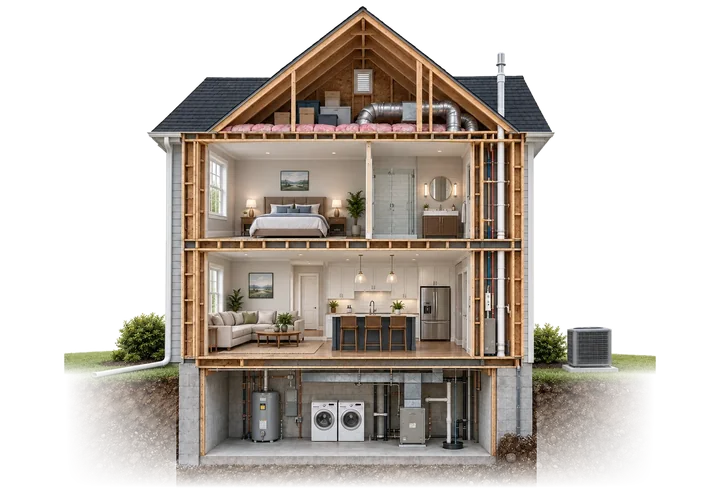
Walk through an assessment
Follow an illustrated home from the first conversation to the plan you receive.
Start the walkthroughYour Whole-Home Health Assessment
Our Whole-Home Health Assessment is a whole-home mold and moisture inspection. We bring your home’s history, room-by-room findings, moisture measurements and targeted laboratory sampling into one investigation.
We work with homeowners, including people with environmental sensitivities and clients referred by functional and integrative medicine practitioners. Tell us what you have noticed and what you would like to understand.
How your assessment works
Six steps, the same six you can follow in our guided walkthrough.
- 1

Your story is where we start.
We ask about leaks, repairs, renovations, the rooms where you notice something and any testing you already have. Those details help us understand where to begin. Then we walk the home with you and use room names you recognize, so the findings are easy to follow.
See this step in the walkthrough - 2
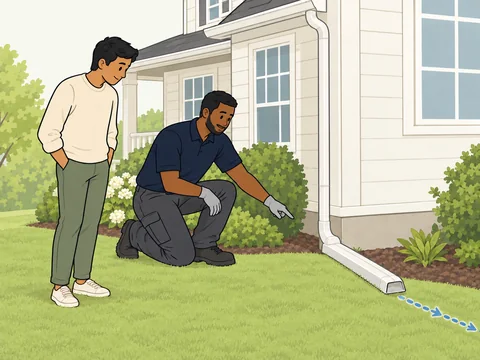
Outside first: how your home handles water.
Rain, grading and drainage shape how dry a home stays. We walk the exterior, from the roofline and gutters to the grading and window seals, and match each observation to the room on the other side of the wall.
See this step in the walkthrough - 3
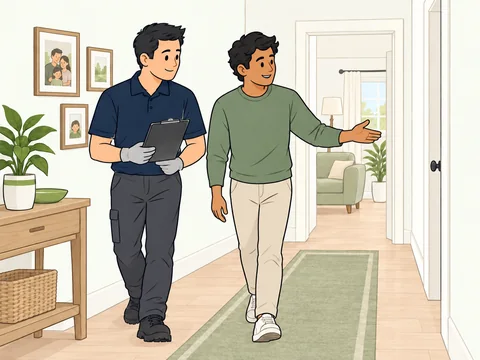
A first pass through every room.
The environmental scan covers every room from the attic to the basement. We compare the readings with what we see in each space, and the patterns show us where to look more closely next.
See this step in the walkthrough - 4
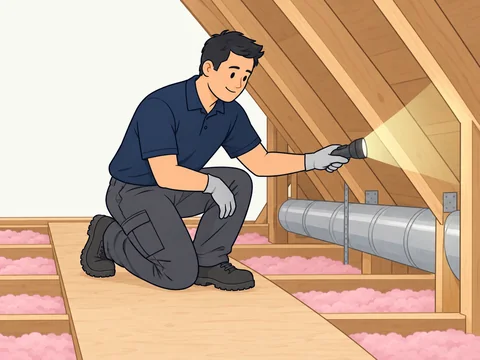
A closer look where it matters.
The environmental scan, your home’s history, and what we see on site all guide where we look more closely, including the accessible attic, crawlspace or basement and HVAC. Thermal imaging shows where to measure, and the moisture meter confirms what is damp.
See this step in the walkthroughWe follow hidden moistureA smell that comes and goes, a repaired leak or a stain that returns often points to moisture you cannot see. We compare the affected room with adjoining spaces, plumbing routes and nearby exterior details, and thermal imaging guides where we take moisture readings. We follow the signs of moisture to understand where water may have traveled and which materials need attention.
When we need to see inside a wall, we explain why and agree on access with you first. Where access allows, a small inspection camera gives us a closer look inside the wall. See the closer look in the walkthrough
- 5
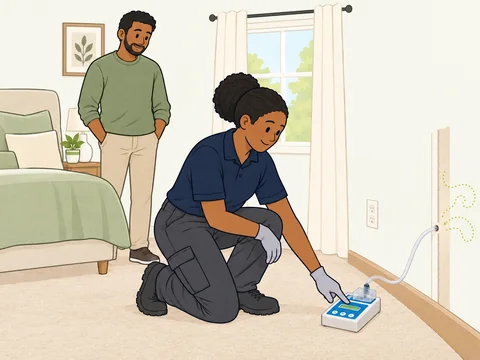
Samples placed with purpose.
When a sample can answer a specific question, we explain the plan and review it with you before we collect anything. Lab results are read together with what we saw, what we measured and your home’s history.
See this step in the walkthrough - 6

Clear answers and a plan you can act on.
Your report brings the findings together with photographs, locations and recommended actions. We explain the priorities during your consultation. When remediation is recommended, your Remediation Scope gives the contractor you choose a clear description of the work.
See this step in the walkthrough
Laboratory sampling
Every Whole-Home Health Assessment includes five laboratory samples. When more sampling would help answer a question, we recommend it, explain why, and you choose whether to add it.
We place them where they best answer your questions about the home.
If another sample would help answer a question, we explain why and what it costs, and you decide.
Your report and consultation
Your report explains which areas need remediation, further evaluation, correction, or monitoring, and helps you prioritize the work.
- Red: priority action or remediation, including moisture correction and source investigation when recommended.
- Orange: corrective action, further investigation, or lower-priority remediation.
- Yellow: supportive or preventive steps such as humidity control and maintenance.
Each finding shows where it is and why it matters.
The Client Summary explains your priorities, and the Remediation Scope gives your contractor a clear description of the work.
During your report consultation, we go through the findings, answer questions and talk about how to move forward.
With your permission, the report can also support a conversation with your practitioner.
See a sample report
This is a real Whole-Home Health Assessment report with the client’s personal details removed. The findings, laboratory results, photographs and remediation plan are shown as the client received them.
“Their report is extremely detailed and lays out what the remediation company needs to do step by step and what we as home owners can also do.”
Before your visit
- Note the rooms, smells or stains that concern you.
- Gather past test results like ERMI or HERTSMI-2, plus repair records and photos.
- Make attic, crawlspace and basement access available.
- Share any questions from your practitioner.
Questions before your visit
I already have test results. Can you use them?
Yes, and we love it when you do. ERMI results, HERTSMI-2 scores, mold dog inspections, earlier reports, repair records and photos all help us build a more complete understanding of your home. These tests tell us about selected molds in the dust collected. We look at the organisms, amounts, and where and how the sample was collected, then connect that information with your home’s history and our investigation. Send us anything you have before your visit.
How long will the visit and report take?
Most visits take about 6 to 8 hours. Your report typically arrives within 5 to 10 business days of your inspection, and we aim for less whenever we can.
What determines the price?
The home’s size, agreed scope, travel and sampling plan help determine the quote. We review the options and pricing with you before booking.
How often should I have my home inspected?
Many clients schedule an inspection when they notice a change in the home, after a leak or water event, before buying a home, after remediation, or as a yearly check-in. A follow-up visit can compare current conditions with earlier findings so you can see what has changed.
Should I get a mold inspection before buying a home?
If you want a clear picture of moisture and mold conditions before you commit, yes. Our assessment focuses on moisture and mold room by room, with targeted sampling when the evidence supports it. Share your inspection deadline and we will plan the visit around it.
Does a standard home inspection test for mold?
Usually not. A general home inspection reviews the structure and major systems and may note visible staining or moisture. It typically does not include mold sampling or a detailed moisture investigation. The Whole-Home Health Assessment is built for exactly that.
How is this different from a mold dog inspection?
A trained dog can point to areas worth a closer look, and we are glad to review those results. Our assessment documents what is happening and why, with moisture readings, thermal imaging, photos, targeted laboratory sampling and a written plan organized into red, orange and yellow zones.
Answers written by Jason Richards, Co-Founder of PureHealth Mold Inspections.
Start with your property
Let’s talk about your home.
Tell us what’s happening in your home and what you’d like to understand. We’ll talk through the options and review scope, pricing, and scheduling with you before you book.
Talk with our team
Share your questions and the best way to reach you.