
Chronic inflammation is at the root of many modern health challenges. For some people, the inflammatory response becomes extreme, persistent, and difficult to resolve. This condition is known as Chronic Inflammatory Response Syndrome (CIRS). As awareness grows, more people are asking an important question: What causes CIRS?
A single factor does not cause CIRS. Instead, it is the result of repeated or ongoing exposure to specific triggers that overwhelm the body’s immune system, leading to a prolonged inflammatory response. Understanding these triggers is a critical step toward recognizing why symptoms persist and why conventional approaches sometimes fall short.
In this article, Pure Health Mold examines the causes of CIRS, the contributions of various environmental and biological factors to chronic inflammation, and the importance of addressing root causes for effective healing.
What Is CIRS? A Brief Overview
To understand what causes CIRS, it’s important to know what it is and how it can affect your health. Chronic Inflammatory Response Syndrome is a condition in which the immune system remains activated long after an initial exposure has occurred. Instead of returning to baseline, inflammation continues, affecting multiple systems in the body. People with CIRS may experience symptoms such as:
- Fatigue and brain fog
- Joint and muscle pain
- Headaches
- Digestive issues
- Hormonal imbalances
- Mood changes
- Sensitivity to light, sound, or chemicals
The defining feature of CIRS is immune dysregulation—the body’s inability to properly shut off inflammation once the threat is gone.
What Causes CIRS? The Core Concept
At its core, CIRS is caused by a combination of exposure and susceptibility. Certain environmental or biological triggers activate the immune system, and in genetically susceptible individuals, the body fails to clear inflammatory byproducts effectively. This leads to:
- Persistent immune activation
- Elevated inflammatory markers
- Ongoing tissue irritation
- Multi-system symptoms
Rather than being a short-term immune response, inflammation becomes chronic.
1. Water-Damaged Buildings and Mold Exposure
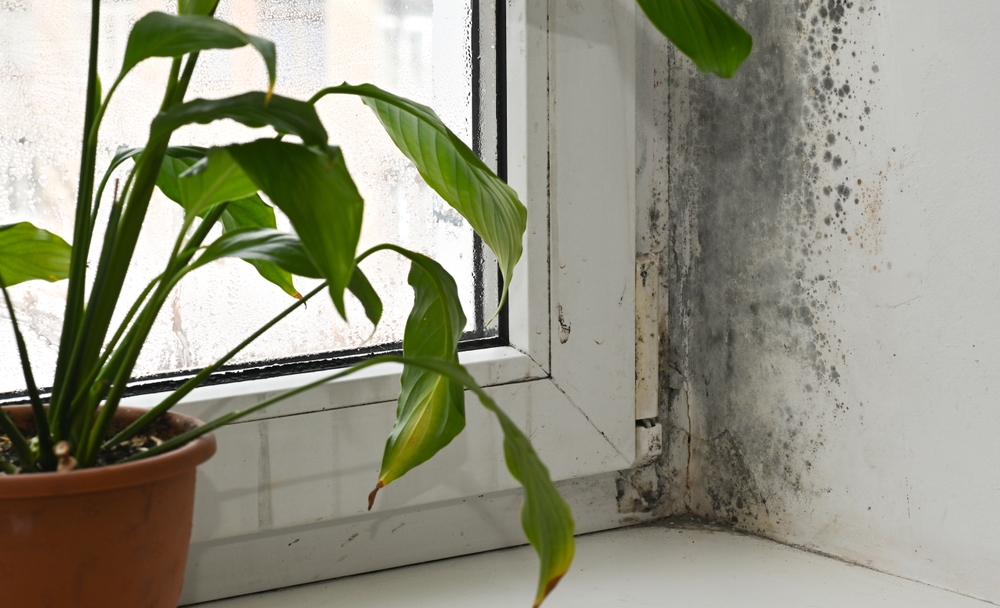
One of the most well-documented causes of CIRS is exposure to water-damaged environments. Mold and other microorganisms found in damp buildings release:
- Mycotoxins
- Bacterial fragments
- Inflammatory compounds
When inhaled over time, these substances can trigger a powerful immune response. Individuals with specific genetic predispositions may struggle to effectively clear these toxins from their bodies, resulting in sustained chronic inflammation. Common sources include:
- Homes with leaks or flooding
- Poorly ventilated buildings
- Schools or offices with hidden moisture damage
This exposure is often invisible, making it difficult to identify without a proper assessment.
2. Biotoxins Beyond Mold
Mold is not the only biotoxin associated with CIRS. Other biotoxin exposures that help explain what causes CIRS include:
- Cyanobacteria (blue-green algae)
- Dinoflagellates (found in certain water blooms)
- Actinomycetes (soil-based bacteria)
- Certain indoor bacterial toxins
Inhalation, ingestion, or skin absorption of these toxins can initiate an immune response that mirrors the illness caused by mold exposure.
3. Genetic Susceptibility
Now, everyone exposed to biotoxins develops CIRS. A critical piece of understanding what causes CIRS is recognizing genetic vulnerability.
Some individuals have genetic variations that affect:
- Immune signaling
- Detoxification pathways
- Inflammatory regulation
These genetic differences make it harder for the body to identify, tag, and eliminate inflammatory compounds. As a result, toxins remain in circulation, continuing to provoke immune responses. This explains why multiple people can live in the same environment but experience very different health outcomes.
4. Chronic Infections as Triggers
Certain infections can also contribute to the development of CIRS. These may include:
- Lyme disease and co-infections
- Chronic viral infections
- Persistent bacterial infections
In some cases, the immune system remains activated even after the acute infection has resolved. This prolonged immune response can overlap with or trigger CIRS-like inflammation. Rather than the infection itself, it’s the ongoing immune dysregulation that sustains symptoms.
5. Environmental Toxins and Chemical Exposures
Cumulative toxic exposure is another important factor to consider when asking what causes CIRS. Modern life exposes us to a wide range of chemicals that can disrupt immune and inflammatory pathways. These include:
- Pesticides and herbicides
- Heavy metals
- Volatile organic compounds (VOCs)
- Plastics and endocrine disruptors
Over time, these substances can contribute to immune overload, oxidative stress, and chronic inflammation.
6. Gut Barrier Dysfunction
The gut plays a central role in immune regulation. When the gut lining becomes compromised, inflammatory molecules can enter the bloodstream, perpetuating systemic inflammation. Gut-related contributors to CIRS may include:
- Increased intestinal permeability
- Dysbiosis (microbial imbalance)
- Food sensitivities
- Chronic digestive stress
A weakened gut barrier can amplify immune responses, making it harder for the body to regulate inflammation effectively.
7. Nervous System Dysregulation
Chronic inflammation doesn’t exist in isolation—it affects and is also affected by the nervous system. Prolonged stress, trauma, or environmental overload can dysregulate the autonomic nervous system. This dysregulation can:
- Increase inflammatory signaling
- Reduce the body’s ability to recover
- Heighten sensitivity to stimuli
Understanding what causes CIRS requires acknowledging that stress physiology and immune responses are deeply interconnected.
8. Repeated or Ongoing Exposure
In many cases, CIRS develops not from a single exposure, but from ongoing or repeated triggers. Continuous exposure prevents the immune system from resetting. This might include:
- Living in an unremediated mold environment
- Continued contact with toxins
- Unresolved infections
- Chronic stress without recovery
Without removing or addressing these triggers, inflammation remains active.
9. Failure of Inflammatory Resolution
A key concept in understanding what causes CIRS is the failure of inflammatory resolution. Normally, inflammation follows a predictable cycle:
- Threat detected
- Immune response activated
- Threat eliminated
- Inflammation shuts off
In CIRS, this cycle gets stuck. The immune system stays “on,” even when the original trigger is no longer present or has diminished.
Why Symptoms Become Chronic
Because inflammation affects multiple systems, symptoms often appear unrelated at first. However, they are connected through shared inflammatory pathways.
Common systems affected include:
- Brain and nervous system
- Hormonal system
- Digestive system
- Musculoskeletal system
- Cardiovascular system
This complexity is why CIRS can be difficult to recognize without a root-cause approach.
Conclusion: Managing Triggers to Mitigate CIRS Symptoms
So, what causes CIRS? The answer lies in a combination of environmental exposures, genetic susceptibility, immune dysregulation, and the body’s inability to resolve inflammation properly. Triggers such as mold, biotoxins, chronic infections, toxins, gut dysfunction, and stress can all contribute to a long-term inflammatory response when the immune system becomes overwhelmed.
Understanding these root causes is essential for moving beyond symptom management and toward meaningful recovery. Identifying and addressing triggers—rather than ignoring them—is the foundation of lasting health.
Contact us today to learn more about root-cause approaches to chronic inflammation and personalized strategies for restoring balance. Our team can help you explore underlying contributors and take the next steps toward improved well-being.