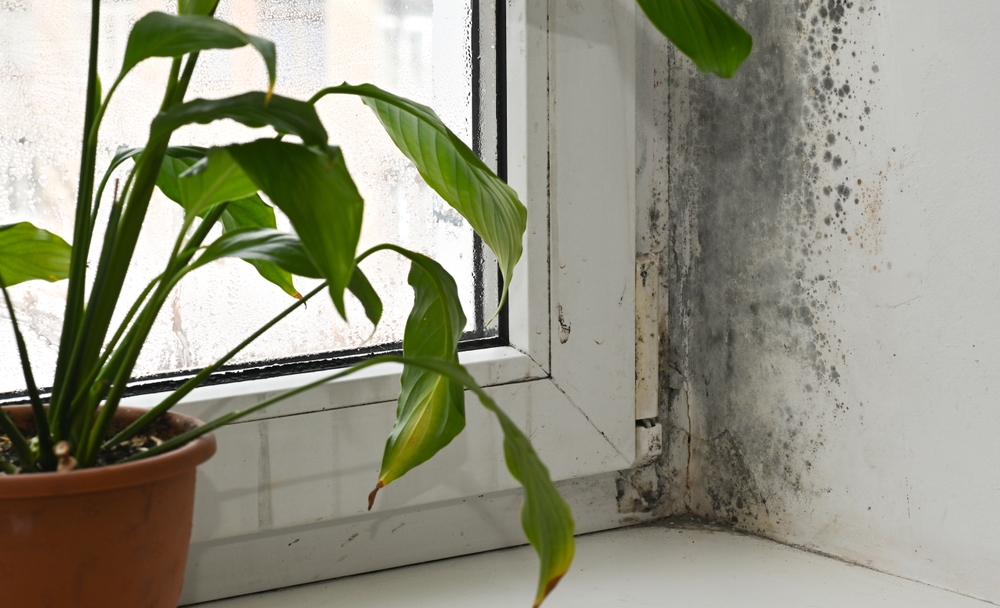
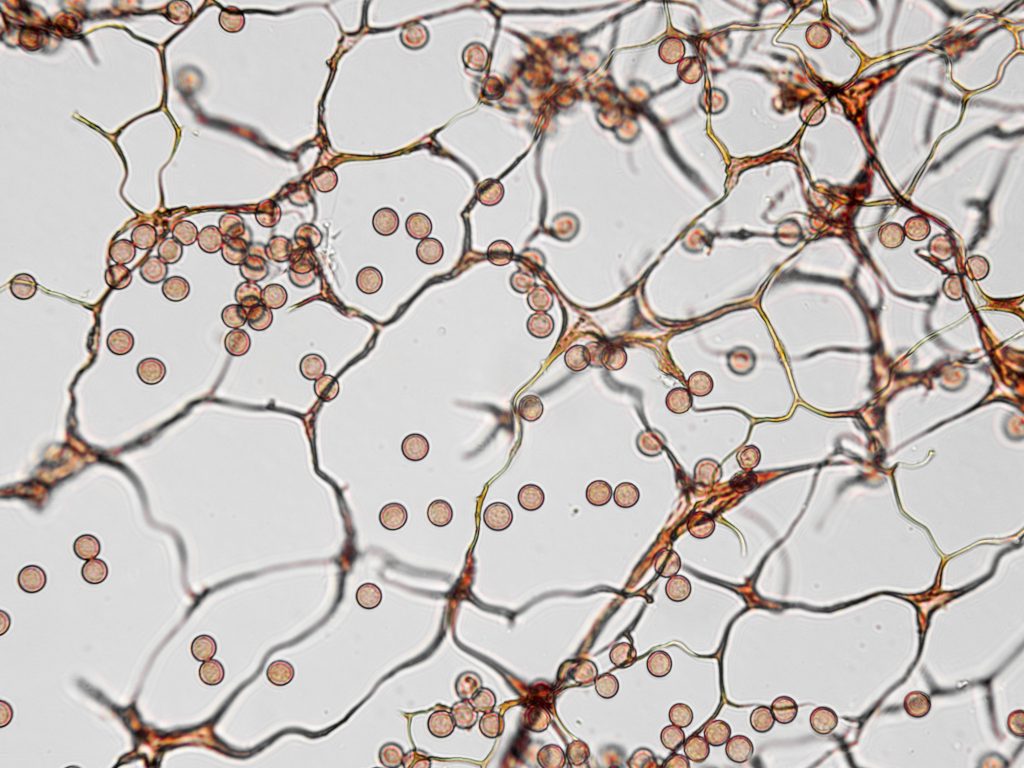
Chronic Inflammatory Response Syndrome (CIRS) is a complex condition triggered by long-term exposure to mold or other biotoxins. Many people struggle for years before receiving a proper diagnosis, leaving them wondering why their symptoms don’t improve—or why they seem to get worse over time. Understanding what happens when you’ve had CIRS from mold for a long time is essential for starting the healing process.
This article with Pure Health Mold breaks down how your body adapts to chronic inflammation, why symptoms often become entrenched, and how functional medicine can help reverse the damage. Most importantly, recovery starts with a proper mold test, because you can’t fix what you can’t identify.
What Is CIRS and Why Does Long-Term Mold Exposure Create Chronic Symptoms?
Chronic Inflammatory Response Syndrome (CIRS) is a complex, multi-system condition triggered by prolonged exposure to biotoxins, particularly those produced by certain molds, but also by other sources such as bacteria and fungi. It is characterized by an inappropriate and persistent immune system response to these toxins, which leads to widespread inflammation throughout the body.
When a person is exposed to mold over a long period, the immune system initially reacts to neutralize and eliminate the harmful toxins. However, in some individuals, this response becomes dysregulated. Instead of resolving after the toxins are cleared, the immune system remains activated, producing chronic inflammation. This sustained immune activation can overwhelm the body’s natural regulatory mechanisms, leading to an ongoing cycle of inflammation and tissue damage.
The chronic symptoms of CIRS arise because the inflammation affects multiple organs and systems, including the respiratory tract, nervous system, muscles, and joints. Common symptoms include persistent fatigue, cognitive impairments such as difficulty concentrating and memory loss (often called “brain fog”), respiratory issues like chronic cough and sinus congestion, muscle and joint pain, headaches, and sometimes mood disturbances.
Long-term mold exposure can also impair the body’s detoxification pathways, making it harder for the body to clear the mold toxins effectively. These further compound the problem, as toxins accumulate and continue to trigger the immune system. Over time, this chronic inflammation disrupts:
- Hormones
- Neurological signaling
- Detoxification pathways
- Mitochondrial energy production
- Gut health
- Immune system communication
Without timely diagnosis and intervention—including removal from the mold-exposed environment and targeted medical treatment—the inflammation and symptoms can persist for months or even years, significantly impacting quality of life. Understanding CIRS and its connection to mold exposure is essential for effective management and recovery.
How You Might Feel When You’ve Had CIRS From Mold for a Long Time
Chronic Inflammatory Response Syndrome (CIRS) causes serious symptoms from long-term inflammation, damaging cell functions. Key symptoms include:
1. Crushing fatigue and low energy due to poor mitochondrial function, leading to exhaustion that rest does not fix.
2. Brain fog and cognitive problems, such as memory loss and trouble concentrating.
3. Increased sensitivity to smells, light, and stress from overactivity in the limbic system, resulting in emotional issues without clear causes.
4. Chronic pain and muscle tightness that may resemble fibromyalgia, leading to misdiagnosis.
5. Hormonal and sleep disruptions affecting hormones and sleep quality.
6. Gut issues and food sensitivities due to increased intestinal permeability, causing digestive problems and nutrient absorption difficulties.
How the Body Adapts to Long-Term Inflammation
Chronic inflammation leads to various maladaptive responses in the body that, while initially aiding survival, result in significant long-term health consequences.
1. Downregulated Immunity (“Immune Exhaustion”): The immune system becomes overwhelmed by persistent toxins, increasing susceptibility to infections, slowing healing processes, and predisposing individuals to chronic illnesses.
2. Cell Danger Response (CDR) Activation: Cells enter a defensive mode that prioritizes short-term survival. This CDR state results in decreased energy production, slowed detoxification, and halted cellular repair, ultimately becoming detrimental when prolonged.
3. Hormonal Compensation: The endocrine system struggles to maintain balance in stress response, which can lead to low cortisol levels, thyroid dysfunction, and imbalanced sex hormones, further contributing to fatigue and metabolic disturbances.
4. Neurological Rewiring: Chronic inflammation alters stress and sensory pathways, resulting in heightened anxiety, increased sensitivity, and disrupted sleep patterns, conditioning the brain to remain overly alert long after the threat has passed.
How Functional Medicine Helps Reverse Long-Term CIRS Symptoms
The healing process for Chronic Inflammatory Response Syndrome (CIRS) due to mold necessitates a comprehensive approach addressing root causes, especially for those with long-term exposure. Key steps include:
1. Mold Testing: Confirming mold presence and identifying sources through tests like Environmental Relative Moldiness Index (ERMI) and mycotoxin urine tests.
2. Elimination of Exposure: Complete removal from mold exposure via remediation, air purification, and potentially relocation.
3. Detoxification and Biotoxin Removal: Supporting detox pathways using binders, liver support supplements, and therapies to eliminate toxins.
4. Reducing Inflammation and Immune Support: Implementing anti-inflammatory nutrition and immune-modulating therapies to alleviate symptoms.
5. Repairing Hormones, Gut, and Mitochondria: Restoring gut health, hormonal balance, and mitochondrial function to enhance well-being.
6. Limbic System Retraining: Retraining the brain to manage chronic stress through programs like DNRS.
This holistic strategy ensures treatment is focused on underlying causes rather than just symptoms, promoting long-term recovery and improved health.
Nutrition and Lifestyle Modifications for Healing
Anti-Inflammatory Diet Recommendations – Addressing inflammation associated with CIRS through diet is a crucial part of the healing process. An anti-inflammatory diet rich in colorful fruits, vegetables, whole grains, and healthy fats provides essential nutrients that support the body’s recovery.
Prioritizing fresh, nutrient-dense foods over processed options helps reduce inflammatory triggers. Additionally, incorporating omega-3 fatty acids from sources like fatty fish or flaxseeds is beneficial in modulating inflammation and promoting immune system balance.
The Role of Exercise and Sleep – Regular physical activity and quality sleep play vital roles in overall health and recovery. Exercise enhances circulation, supports mood regulation, and aids the body’s detoxification mechanisms.
Meanwhile, restorative sleep facilitates tissue repair and physiological restoration. Establishing a consistent sleep routine ensures the body is well-equipped to recover and maintain optimal function.
Conclusion – Healing Is Possible—But It Starts with Testing
When you’ve had CIRS from mold for a long time, the body adapts in ways that create fatigue, brain fog, hormonal imbalance, and chronic inflammation. But with the right approach, these symptoms can be reversed.
Functional medicine provides a structured roadmap for:
· Identifying mold exposure
· Removing toxins
· Repairing immune function
· Restoring energy and cognitive clarity
· Rebalancing hormones and neurological pathways
· Recovery is absolutely possible—but everything begins with a proper mold test. Ready to uncover the root cause of your symptoms and finally start healing? Contact us today to schedule your mold testing and personalized functional medicine evaluation. Your recovery starts with the right answers.