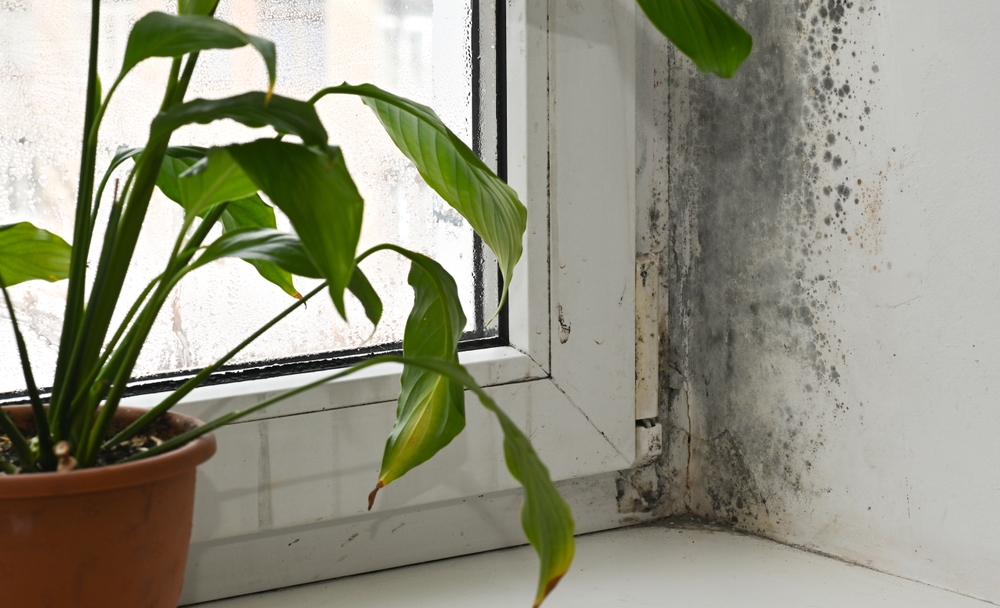

As mold grows, it releases microscopic spores and toxic substances called mycotoxins into the air. When inhaled, these can cause health issues for infants, young children, older adults, and those with allergies and other respiratory problems. If you’ve been experiencing a persistent cough, it could be due to mold exposure.
Mold is a common problem in many homes. It can damage your home, personal belongings, and even endanger the health of you and your family. Unfortunately, many people are unaware that mold is growing in their homes.
In this article, Pure Health Mold discusses the health issues that can stem from mold growth and the steps you need to take if you believe that a persistent cough is due to mold exposure. We’ll help you recognize the symptoms of mold exposure and how to know when medical attention is required. We’ll also share some preventive measures to safeguard against mold exposure in our living environments.
How Does Exposure to Mold Cause Persistent Coughing?
The spores and mycotoxins that mold releases into the environment can irritate your nose, throat, and lungs. They can also trigger an immune response that causes your airways to swell and produce more mucus. Your cough may worsen as exposure increases.
A persistent cough could be a red flag that mold may be growing inside your home. Medical experts recognize mold as an indoor allergen that can lead to breathing problems. Understanding the connection between mold and coughing is important for correct diagnosis and treatment.
Mold can grow just about anywhere. All it needs is a little moisture to get started. Regular cleaning, good ventilation, and fixing leaks are all vital for controlling mold growth and avoiding health issues.
Common Sources of Indoor Mold
The first step to controlling mold is knowing where it likes to grow. Mold loves damp spots like:
- Bathrooms and showers
- Basements and crawl spaces
- Around or inside heating and cooling systems
- Behind wallpaper or under carpets
In addition to persistent coughing, other signs that you may have a mold problem include visible mold growth, musty odors. and stains or peeling wallpaper.
Why are Some People More Susceptible to Mold Than Others?
Not everyone reacts the same to mold. People with allergies or asthma are often more sensitive to mold than those who don’t. A weakened immune system can also make mold exposure worse. About 30% of people report being sensitive or allergic to mold spores, which means many are at greater risk for respiratory problems.
Is That Cough Due to Mold Exposure?
Here are some ways to tell if that persistent cough is due to mold exposure:
Sign 1: A Persistent Cough That’s Worse in Specific Areas
If your cough sticks around for weeks and doesn’t get better with allergy or cold medicines, it’s worth a second look. Your cough might worsen when you’re in damp, moldy spots.
Actionable Tips
- Track when your cough gets worse or improves.
- Use air purifiers to clean indoor air.
- Improve ventilation by opening windows or adding fans.
Sign 2: Cough Accompanied by Postnasal Drip and Throat Irritation
How Mold Causes These Symptoms
Mold spores irritate your mucous membranes, leading to a constantly runny nose and sore throat. Sometimes, these symptoms are mistaken for allergies. The key is that mold allergies tend to stay linked to damp environments.
Tips for Relief
- Clean surfaces regularly to cut down on mold.
- Use humidifiers or dehumidifiers wisely.
- Keep your home dry and well-ventilated.
Sign 3: Cough Worsening at Night or Upon Waking
Understanding the Pattern
Nighttime is when mold spores are more likely to settle in your bedroom. Humid bedrooms and bedding can trap mold and worsen your cough. You might notice coughing fits or choking sounds after waking up.
Recommendations
- Wash bedding weekly in hot water.
- Use mold-resistant pillows and mattress covers.
- Keep humidity below 50% in bedrooms.
Sign 4: Recurrent Respiratory Infections in Mold-Infested Homes
Link Between Mold and Increased Infection Risk
Mold can weaken your lungs’ defenses, making you more prone to bronchitis, sinus infections, or pneumonia. People living in moldy homes often see these issues come back repeatedly.
Preventive Measures
- Schedule mold inspections if symptoms keep returning.
- Keep filters and vents clean.
- Fix water leaks promptly and dry all surfaces.
Sign 5: Unexplained Fatigue and Breathing Difficulties Alongside Cough
The Broader Impact of Mold Exposure
Chronic mold exposure keeps your immune system busy fighting toxins, which can drain your energy. If you feel fatigued constantly and experience difficulty breathing, mold could be contributing to the issue.
Actionable Steps
- Visit your doctor for testing related to mold sensitivity.
- Improve indoor air quality with HEPA filters.
- Fix moisture problems in your home.
Sign 6: Visible Mold Growth or Musty Odor in the Home
Recognizing Visual and Olfactory Clues
Sometimes, the easiest signs are the ones we see or smell. Black, green, or white patches on walls, ceilings, or around windows indicate mold growth. A persistent musty odor also suggests hidden mold colonies.
Immediate Actions
- Never try to remove large amounts of mold yourself.
- Call professionals for safe cleanup.
- Prevent future growth by controlling indoor moisture and repairing leaks promptly.
Seek Medical Help If Symptoms Persist
Consult a medical professional promptly if your symptoms persist despite attempting remedies at home. A persistent cough from mold exposure could indicate a serious health issue. Mold can cause allergies and breathing problems that may worsen without treatment.
A healthcare professional can test for mold-related problems and suggest treatments for inflammation and airway clearance. Ignoring symptoms can lead to severe health risks, especially for those with respiratory issues. If your cough lasts more than a few days, or you have shortness of breath, wheezing, or chest tightness, see a doctor. Quick medical care can provide relief and prevent complications. If symptoms persist or worsen, contact us. Early treatment is essential for recovery. If mold exposure is suspected, a doctor can perform tests, recommend inspections, and suggest mold removal methods. Getting help quickly can improve your health and prevent future issues.