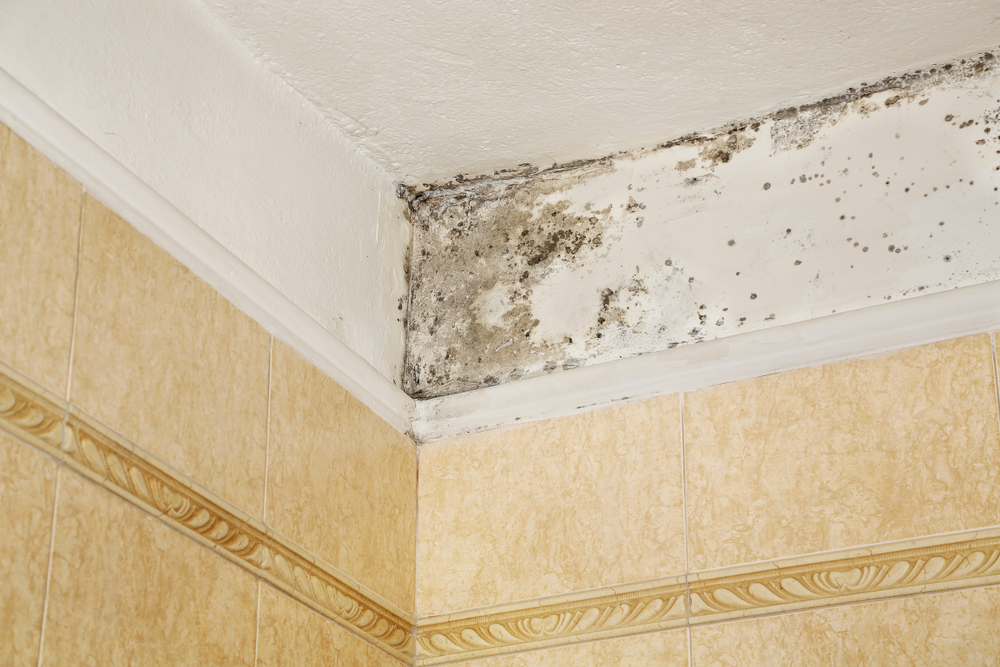

Have you ever noticed yourself sneezing uncontrollably after taking a shower? It might not just be a coincidence. Mold growth in bathrooms is a common culprit behind those annoying post-shower sneezes.
Mold thrives in warm, damp environments—making your bathroom the perfect breeding ground. When you turn on the hot water for a shower, you create the ideal conditions for mold to grow and release spores into the air. These spores can irritate your nasal passages, leading to sneezing fits.
But don’t worry, there are steps you can take to combat this issue. Regularly cleaning and ventilating your bathroom can help prevent mold growth. Investing in a dehumidifier can also help reduce moisture levels, making it harder for mold to thrive.
So, the next time you find yourself reaching for a tissue after a shower, remember that sneezing after showering may be linked to mold lurking in your bathroom. Stay proactive by keeping your bathroom clean and dry to prevent those post-shower sneezes.
In this article, Pure Health Mold why mold may be to blame if you’re sneezing after a shower. We’ll shed light on the health risks associated with mold exposure and offer insights into identifying, preventing, and treating mold growth in your bathroom.
How Mold Thrives in Damp, Humid Bathroom Environments
As you step out of a warm shower, the bathroom feels calm and comforting—until a single sneeze disrupts the peace. That sneeze may be a warning sign of mold hiding in the corners of your bathroom.
Mold flourishes in damp areas. It clings to water droplets and condensation, turning your bathroom into an ideal habitat for mold growth. As the mold grows, it releases invisible spores into the air. These spores can trigger sneezing and other allergic reactions.
Sneezing after a shower can be a warning sign that you have a mold problem. You must reclaim your space by sealing leaks, improving ventilation, and letting light in to fight mold. By addressing these hidden threats, you can ensure a healthier and safer environment in your home.
Common Symptoms of Mold Exposure in the Home
Knowing the symptoms of mold exposure is crucial for maintaining a healthy home. Mold can grow in hidden places—behind walls, under sinks, or in tile grout—and its presence can lead to significant health concerns.
One of the most common signs of mold exposure is sneezing. If you frequently sneeze after showering, it could be a sign that you have a mold problem. Other symptoms include:
- Coughing
- Wheezing
- Itchy, watery eyes
- Runny or stuffy nose
Mold exposure can worsen respiratory issues, trigger allergies, and even cause asthma attacks. Individuals with weakened immune systems or pre-existing respiratory conditions are particularly vulnerable to mold exposure.
Regular cleaning and good ventilation after showering reduce these risks. Using exhaust fans or opening windows can help keep the area dry and limit mold growth. A bit of effort in cleanliness today ensures a healthier tomorrow.
The Importance of Proper Ventilation and Moisture Control in Bathrooms
Proper ventilation and moisture control in bathrooms are important for a healthy living environment. Hot showers release steam into the air. As the steam cools it condenses on shower and bathroom surfaces, providing the moisture mold and mildew need to grow.
Investing in a quality ventilation system can significantly reduce humidity levels and improve air quality, preventing mold from taking hold. Other effective moisture control measures include:
- Repairing leaks promptly
- Using a shower curtain or glass door to contain water
- Wiping down wet surfaces after use
- Cleaning tiles and grout regularly to prevent mold buildup
By taking these precautions, you can maintain a clean, healthy bathroom and prevent the harmful effects of mold exposure.
Tips for Preventing and Removing Mold in Your Bathroom
Mold in the bathroom can not only be unsightly, but it can also be harmful to your health. If you find yourself sneezing after taking a shower, mold may be the culprit. The following are a few tips to prevent and remove mold in your bathroom:
- Proper ventilation is key to preventing mold growth. Make sure your bathroom is well-ventilated by using exhaust fans or opening windows during and after showers.
- Regular cleaning of your bathroom surfaces can help prevent mold from taking hold. To prevent buildup, wipe down bathroom surfaces with a solution of water and vinegar or commercial mold cleaner.
- Keep an eye on the humidity levels in your bathroom. Ideally, humidity should be below 60%. Consider using a dehumidifier if necessary.
- Any leaks in your bathroom can create the perfect environment for mold to thrive. Make sure to fix any leaks promptly to prevent mold growth.
- Use mold-resistant paint, caulk, and grout in your bathroom to help prevent mold growth.
By following these tips, you can ensure a clean and healthy bathroom free from mold. Say goodbye to sneezing after showers and hello to a fresh and mold-free space!
Take Action to Protect Your Health and Home from Mold
Mold infestation is more than just a nuisance; it can seriously impact your health and well-being. If you’ve been sneezing after a shower or experiencing other symptoms of mold infestation, take heed and take action.
Pure Health Mold is here to ensure your home environment is safe. Healthy, and mold-free. Our services include:
- Certified Mold Inspection
- Indoor Air Quality Inspection
- ERMI Testing
- Disaster Response
Contact us today to make your home a safe, enjoyable place again.