Mold can invade just about any part of your home, including structural components such as subflooring, floor joists, and wall studs. If you’re wondering how to clean mold off structural wood, the answer depends on the severity of the problem, how long it has been present, and whether the moisture source has been fully addressed.
Structural wood, unlike finished surfaces, is porous. That means mold doesn’t just sit on top—it can penetrate the fibers. While minor growth can sometimes be cleaned safely, more extensive contamination may require full remediation.
This article, provided by Pure Health Mold, details the crucial steps for effectively cleaning mold from structural wood. It also offers essential advice for preventing future mold outbreaks, helping you maintain a mold-free and structurally sound home.
Identifying Mold Behind Drywall or Subflooring
To identify mold behind drywall or subflooring, start by –
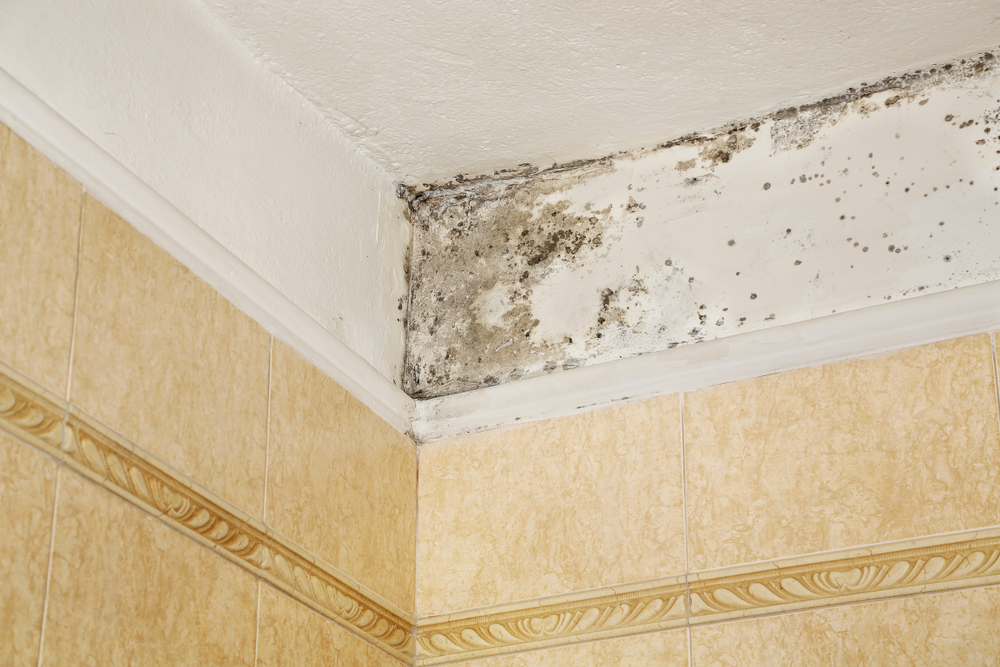
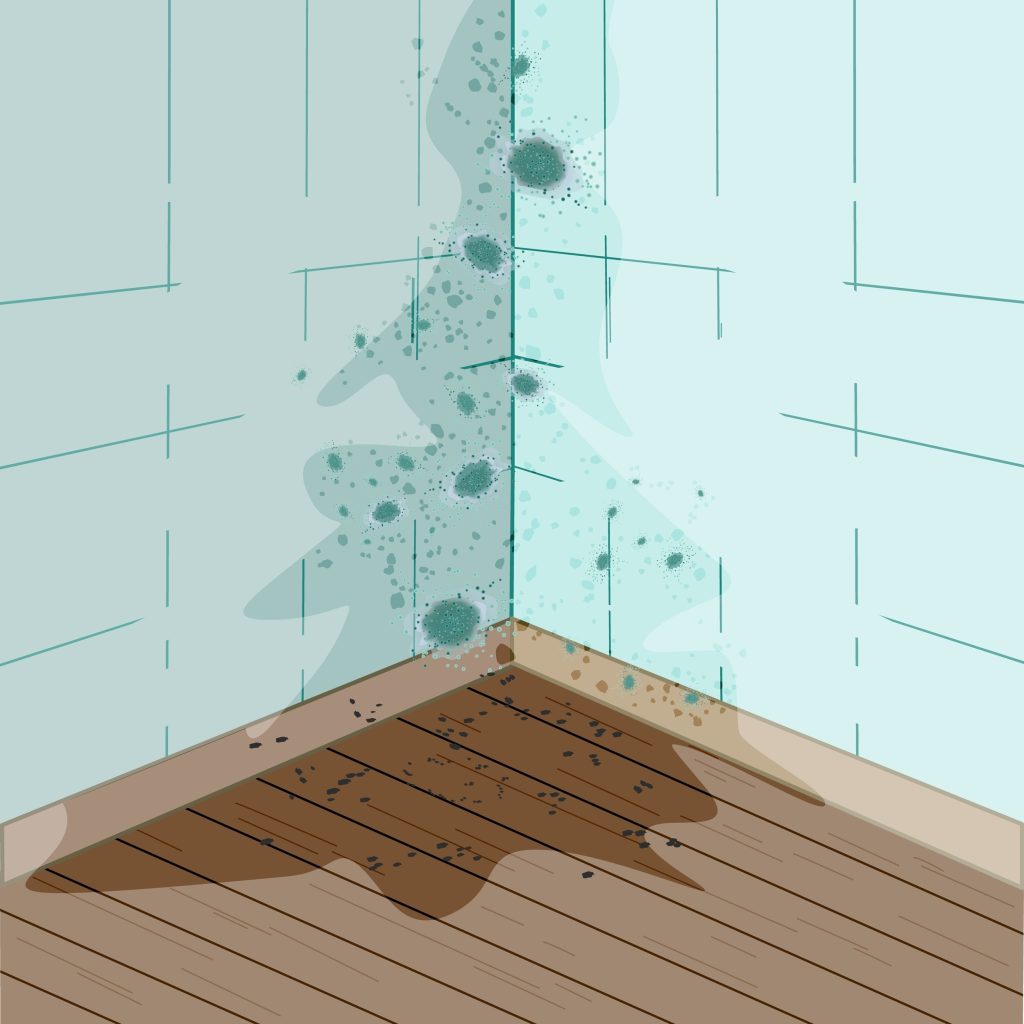
- Inspecting for discoloration, stains, or dark spots on walls and floors, which often indicate mold growth.
- Pay attention to musty or damp odors, as these scents usually signal hidden mold.
- Additionally, examine areas for signs of water damage, such as warping, bubbling paint, or moisture buildup, since mold thrives in damp environments.
- Early detection helps prevent further structural damage and health risks.
Safety Precautions Before Starting Mold Removal
Assess the Extent of the Damage – Not all mold situations are equal. Ask yourself:
- How large is the affected area?
- How deep has the mold penetrated?
- Has the wood softened or begun to rot?
- Is there a musty odor throughout the space?
- Are multiple structural components involved?
If the mold covers more than 10 square feet or involves hidden areas behind walls, professional remediation is typically recommended. Surface-level growth on accessible wood may be manageable with proper precautions.
Before starting mold removal, it’s crucial to take safety precautions to protect yourself and prevent mold spores from spreading:
- Wear protective gear, including gloves, goggles, and an N95 mask, to avoid inhaling mold spores or having mold come into contact with your skin.
- Ensure proper ventilation by opening windows and using fans to circulate fresh air.
- Seal off the affected area with plastic sheeting to prevent mold spores from spreading to other parts of the home.
- Shut down your HVAC system to prevent the spread of airborne mold spores through ducts and vents.
- Avoid using bleach on porous materials, as it can worsen mold growth.
- Dispose of contaminated materials safely.
Tools and Materials Needed for Mold Removal
Proper tools and materials are crucial for safely and effectively removing mold from structural wood or hidden areas like behind drywall:
- Protective gear: Gloves, goggles, and an N95 mask to protect against mold spores.
- HEPA vacuum: To capture and remove airborne mold spores efficiently.
- Brushes and scrapers: Stiff-bristled brushes or scrapers help physically remove mold from surfaces.
- Cleaning solutions: Use diluted detergent, white vinegar, or commercial mold removers to disinfect and kill mold.
- Plastic sheeting and tape: To seal off the affected area and prevent mold spores from spreading.
- Use disposable bags to discard contaminated materials and debris safely.
- Fans and dehumidifiers: To dry the area and reduce moisture, preventing further mold growth.
Removing Drywall to Access Moldy Areas
If mold is discovered behind drywall, the drywall itself must usually be removed and discarded. Drywall is porous and difficult to fully clean once contaminated. Cut out and remove:
- Affected drywall sections
- Any insulation that shows signs of mold
Dispose of materials in sealed bags to minimize spore spread. Once the structural wood is exposed, you can evaluate whether cleaning or replacement is appropriate.
Cleaning Mold Off Structural Wood
If the wood remains structurally sound (no deep rot or crumbling), you may be able to clean it. Here’s how to clean mold off structural wood effectively:
1. Vacuum with HEPA Filtration
Use a HEPA vacuum to remove loose mold spores from the surface before applying any liquid. This reduces airborne contamination.
2. Scrub the Surface
Use a stiff brush to scrub visible mold growth. A cleaning solution may include:
- Mild detergent and water
- Commercial mold cleaning products
Avoid simply spraying and wiping. Scrubbing is necessary to remove embedded spores.
3. Apply a Mold-Killing Agent
After scrubbing, apply an appropriate antimicrobial treatment designed for wood. Some professionals use:
- Borate-based solutions
- Specialized mold remediation products
Allow sufficient dwell time according to manufacturer instructions.
4. Dry the Area Completely
Drying is critical. Use:
- Dehumidifiers
- Fans
- Proper ventilation
Moisture content in wood should ideally be below 15% to prevent regrowth.
When Cleaning Is Not Enough
Sometimes, cleaning structural wood is not sufficient. You may need full removal and remediation if:
- The wood is soft or crumbling
- Mold penetrates deeply into the fibers
- There is structural weakening
- The affected area is extensive
- You smell persistent musty odors after cleaning
In these cases, replacing subflooring, studs, or joists may be necessary. Professional remediation teams use containment barriers, negative air machines, and specialized equipment to prevent cross-contamination.
Mold in Subflooring: Special Considerations
Subfloor mold often occurs after plumbing leaks or flooding. Because subfloors support finished flooring, access may require the removal of:
- Carpet
- Hardwood flooring
- Tile
If mold has spread extensively beneath the flooring, replacement may be more cost-effective and safer than attempting spot treatment. Ignoring subfloor mold can lead to:
- Structural damage
- Persistent odor
- Indoor air quality issues
Why Mold Behind Drywall Is Serious
Mold behind drywall is particularly concerning because it may go unnoticed for long periods. By the time it’s discovered, contamination may already be widespread. Signs of hidden mold include:
- Musty smell
- Discoloration or bubbling paint
- Warped walls
- Allergy-like symptoms indoors
Professional assessment for suspected hidden mold often involves the use of tools like moisture meters or thermal imaging.
The Health Impact of Mold Exposure
Beyond structural damage, mold can affect indoor air quality. Sensitive individuals may experience:
- Respiratory irritation
- Sinus congestion
- Headaches
- Fatigue
- Worsening asthma
If symptoms improve when away from the home, mold exposure may be to blame. Thoroughly cleaning structural wood to prevent recurrence is essential for both maintaining integrity and protecting occupant health.
Preventing Future Mold Growth
Once you’ve addressed how to clean mold off structural wood, prevention becomes the priority. Key steps include:
- Fix leaks immediately
- Maintain indoor humidity below 50%
- Use bathroom and kitchen exhaust fans
- Install proper drainage around foundations
- Inspect basements and crawl spaces regularly
Moisture control is the foundation of mold prevention.
Conclusion: Protect Your Home and Health
Learning how to clean mold off structural wood is important—but equally important is knowing when cleaning isn’t enough. If mold is limited and the wood remains structurally sound, careful scrubbing, antimicrobial treatment, and complete drying may resolve the issue.
However, extensive mold in subflooring or behind drywall often requires full remediation and material removal to prevent recurrence and protect indoor air quality.The key is addressing moisture first, acting promptly, and ensuring the problem is fully resolved, not just hidden. Contact us today to schedule an evaluation and protect both your home’s structure and your family’s health.