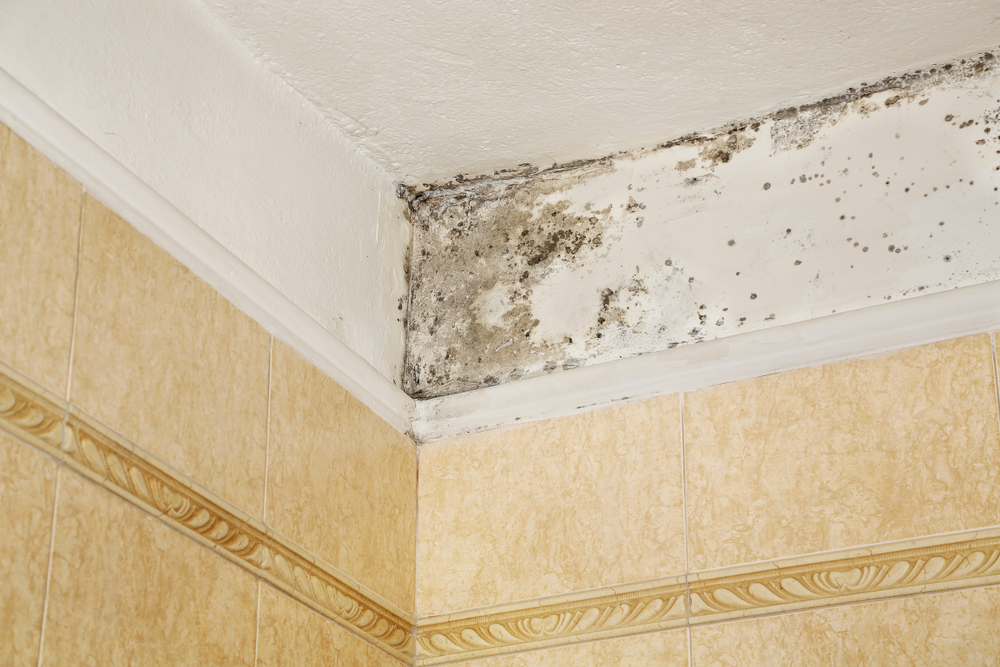

You may be wondering if the risk of mold growth increases in summer. Mold grows best in wet, warm conditions, so it would make sense that there’s a greater danger of mold contamination during the summer months. And while the intense summer heat may be deadly to some species, does it get hot enough to kill mold and mold spores?
In this article, Pure Health Mold examines the factors that influence mold proliferation, exploring the roles of temperature and humidity, examining seasonal patterns, and providing practical strategies for controlling mold in summer. By clarifying these concepts, we aim to provide homeowners and renters with the knowledge to combat mold effectively.
What Is Mold?
Mold is a type of fungus found everywhere. It reproduces through tiny spores released into the air. Once these spores settle on a suitable surface, all it takes is a little moisture to activate them.
Mold deteriorates any organic material it grows on, which can lead to costly property damage if left unchecked. Even worse, mold releases spores and mycotoxins into the air, creating health issues for infants, young children, older adults, and those with respiratory conditions.
Unfortunately, it’s almost impossible to keep mold out of our homes; it can enter through open doors and windows, HVAC systems, and even our clothes, shoes, and pets. Controlling moisture levels, ensuring proper ventilation, and promptly addressing water leaks or damage are essential to preventing mold growth. Regular inspections and maintenance can help identify potential mold issues before they escalate, safeguarding health and property.
Ideal Conditions for Mold Growth
Mold thrives under specific environmental conditions that facilitate its growth and reproduction. These include:
- High humidity levels or water accumulation create an ideal breeding ground for mold spores.
- Temperatures between 60°F and 80°F (15°C to 27°C) are particularly conducive to mold development, as this range supports metabolic activity. This can make mold growth worse in summer.
- Organic materials such as wood, drywall, and fabric serve as nutrient sources for mold, allowing it to flourish in homes and buildings.
- Poor ventilation exacerbates the problem by trapping humidity and preventing air circulation, which can lead to damp areas where mold can establish itself.
To mitigate mold growth, it is essential to control moisture levels, ensure proper ventilation, and promptly address any water leaks or spills..
Does Heat Affect Mold?
Temperature is crucial for mold survival and growth. High temperatures can damage proteins and stop mold growth, while moderate heat may help some species thrive and produce spores. Knowing temperature limits for different molds is key for effective control.
The length of heat exposure is important for killing mold. Short bursts of high temperatures may not fully eliminate mold spores, but longer exposure can significantly reduce their populations, making it a solid mold removal strategy.
Humidity and airflow also influence mold survival. High humidity can support mold growth even in warm conditions, so managing temperature and humidity is essential to prevent mold in homes and industries.
Common Types of Indoor Mold
There are many types of indoor mold. Some of the most common include:
- Aspergillus: A prevalent mold found in indoor environments, often associated with respiratory issues.
- Cladosporium: Commonly found on damp surfaces, it can trigger allergies and asthma.
- Stachybotrys (Black Mold): Known for its toxic properties, it thrives in water-damaged areas.
- Penicillium: Frequently found in homes, it can cause allergic reactions and respiratory problems.
- Alternaria: Often present in homes, it can lead to allergic responses and is commonly found in damp areas.
Does Heat Kill Mold or Suppress Its Growth?
Heat can effectively kill mold or inhibit its growth, depending on the temperature and duration of exposure. High temperatures, typically above 140°F (60°C), can destroy mold spores, while lower temperatures may only slow their development. However, heat treatments require proper ventilation and moisture control to prevent mold from returning.
Mold Growth in Summer vs. Winter
Mold growth changes significantly between summer and winter because of different temperatures and humidity levels. Summer’s warmth and high humidity are ideal for rapid mold growth in damp areas, while winter’s cold and lower humidity slow it down. However, indoor heating can create warm, moist spots in poorly ventilated areas, allowing mold to survive in winter. Knowing these seasonal changes is important for preventing and managing mold.
Effective Mold Prevention and Remediation Strategies
There are many ways to prevent mold growth and remediate any damage:
- Maintain indoor humidity levels below 50% using dehumidifiers and proper ventilation.
- Regularly inspect and repair leaks in roofs, walls, and plumbing to prevent moisture accumulation.
- Use vents and fans to ensure adequate airflow in attics, basements, and crawl spaces.
- Clean and dry any water-damaged materials within 24-48 hours to inhibit mold growth.
- Use mold-resistant products, such as paints and drywall, in moisture-prone areas.
Signs of Mold Infestation to Watch For
It’s important to know the early signs of a mold problem. In addition to visible mold growth, other indicators of mold growth include:
- Visible mold growth on surfaces, often appearing as black, green, or white patches.
- A musty or damp odor in the air can indicate a potential mold presence.
- Water stains or discoloration on walls, ceilings, or floors.
- Increased humidity levels in the environment, typically above 60%.
- Allergic reactions or respiratory issues among occupants, such as sneezing or coughing.
Summer’s Impact on Mold Growth
During the warmer months, increased humidity and elevated temperatures create an ideal environment for mold spores to thrive, leading to potential health risks and property damage. Homeowners and property managers need to understand these dynamics and take appropriate steps to mitigate mold growth, such as ensuring proper ventilation, controlling indoor humidity levels, and conducting regular inspections.
Regular inspections and maintenance can help identify potential problem areas before they become significant issues, ultimately protecting the health of occupants and the integrity of the property. If you have concerns about mold in your space or need assistance in managing its growth, we encourage you to reach out to us today for expert guidance and support.