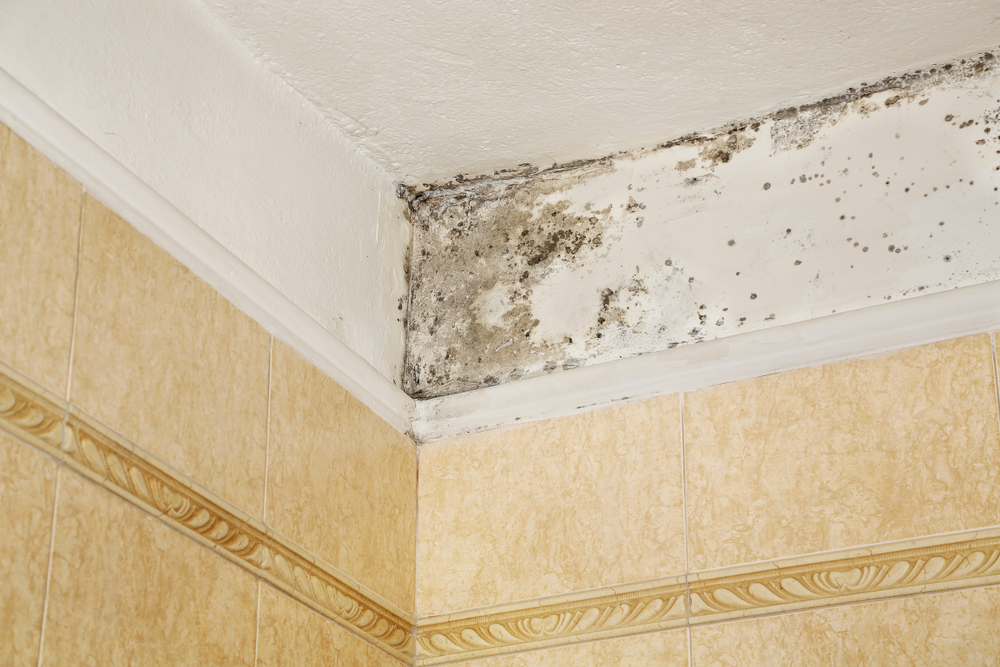

It only takes a short time for mold to begin growing inside your home; all it needs is a little water to get started. Within 1-2 weeks, mold colonies can become established enough to cause structural damage and potential health problems. How fast mold grows in an area like Nashville depends on several factors, including temperature and humidity levels.
Nashville homeowners face particular challenges when it comes to controlling mold, especially during summer months when conditions create the perfect environment for rapid growth and development. Don’t worry! In this article, Pure Health Mold guides you through the timeline of mold growth following water damage and identifies the conditions that accelerate its proliferation. We’ll also tell you the red flags to look out for and what actions to take if you discover mold growing inside your home.
How Fast Does Mold Grow After Water Damage?
Mold grows fast. Mold spores can begin to grow within 24 to 48 hours of being exposed to water, settling on damp surfaces. It’s crucial to respond quickly during this time, as mold is not yet visible and can be managed more easily. Fast drying helps avoid bigger mold problems.
After 3–12 days, mold grows more aggressively into materials like drywall and wood, causing musty odors. If mold becomes visible around 18 to 21 days, it can release harmful spores and weaken your home’s structure, leading to expensive repairs.
Mold growth varies with temperature and humidity/ Warm, humid environments accelerate growth, while cooler conditions slow it down. To inhibit mold growth and protect health, professionals recommend promptly eliminating standing water and thoroughly drying affected areas. Acting swiftly after water damage is crucial for the well-being of your residence and its occupants, as sustained dampness can create health hazards.
Factors Influencing Mold Growth Rate
Mold grows at different rates due to several important factors. By understanding these factors, we can predict how quickly mold may grow in different areas of the home. Key influences include moisture levels, temperature, surface type, and the presence of organic nutrients. Each factor significantly affects the speed of mold growth.
Moisture is crucial for mold survival and reproduction. Areas with high humidity or water leaks provide ideal environments for mold growth. For example, a hidden kitchen leak can lead to mold growth in 24 to 48 hours. Temperature also plays a role; mold grows rapidly in warm conditions.
Mold grows faster on organic surfaces, such as those made of wood or wood products. Porous materials trap moisture, making them more susceptible to mold. Understanding these factors can help prevent mold problems.
What Conditions Make Mold Grow Faster?
Nashville homeowners need to understand the various environmental factors that determine how fast mold grows.
Humidity and temperature play key roles in mold growth. The Environmental Protection Agency recommends keeping indoor humidity between 30% and 50%. Mold is prone to grow when humidity remains above 70% for an extended period. While mold thrives in temperatures ranging from 60°F to 80°F (typical for Nashville), humidity levels play a more critical role in its development and survival than temperature.
Poor ventilation encourages mold growth by preventing the removal of moisture, particularly in bathrooms, basements, and crawl spaces. Proper ventilation helps reduce excess moisture.
Organic materials like drywall and carpet provide food and moisture for mold. Drywall contains cellulose, while carpets can trap moisture and dust. Other materials, such as wood framing, ceiling tiles, wallpaper, and paper products, also support mold growth.
How To Spot Early Signs of Mold?
Recognizing the early signs of mold is crucial to avoiding health problems and property damage.
Persistent musty smells are a common warning sign, particularly in damp or poorly ventilated areas. This odor indicates mold growth, even if it may not be visible.
Discoloration on walls, ceilings, or fabrics is another red flag. Mold comes in many colors, including black, green, and brown, and has a fuzzy or slimy texture.
Mold often hides behind walls or under floors, making it harder to detect. Bubbling or warping paint and dark spots, especially those expanding in the area, suggest spreading mold.
Physical symptoms like coughing, sneezing, headaches, and itchy eyes can result from mold exposure. If symptoms improve when away from an area, mold may be the cause.
Mold can grow quickly under the right conditions. Airborne mold spores settle on damp surfaces and can begin growing within 24 to 48 hours. High humidity and warm temperatures encourage faster growth, especially on porous materials. Routine inspections in damp areas are essential to catch mold early.
Steps to Prevent Mold After Water Damage
Mold can start growing within 24 to 48 hours after water damage happens, making it important to act quickly. Water that soaks into walls, floors, or ceilings creates a perfect place for mold spores to settle and grow. Mold spores are found in the air both indoors and outdoors. When they come into contact with damp surfaces, they can multiply quickly. It doesn’t take long for mold to spread to cover large areas, leading to structural issues and health risks.
For example, a leaking pipe behind a wall can hide mold if not dried quickly. Heavy rain entering a basement can also create the ideal conditions for mold growth. Mold can appear as black, green, or fuzzy spots, releasing spores that may cause allergies and respiratory problems. Research indicates that mold grows faster in warm, humid areas, and some types can colonize surfaces in just 24 hours. Therefore, quick cleaning and drying after water damage are essential to prevent mold growth and protect property and health.
Key Takeaways on Mold Growth Timing
It’s important to take prompt action if you suspect mold growth inside your home. Mold can grow quickly after being exposed to water; the sooner you remove it from your home, the better.
Pure Health Mold offers professional mold removal services in Nashville and surrounding areas. Contact us to learn more about mold prevention and removal. Let us help you keep your home safe, sound, and healthy.