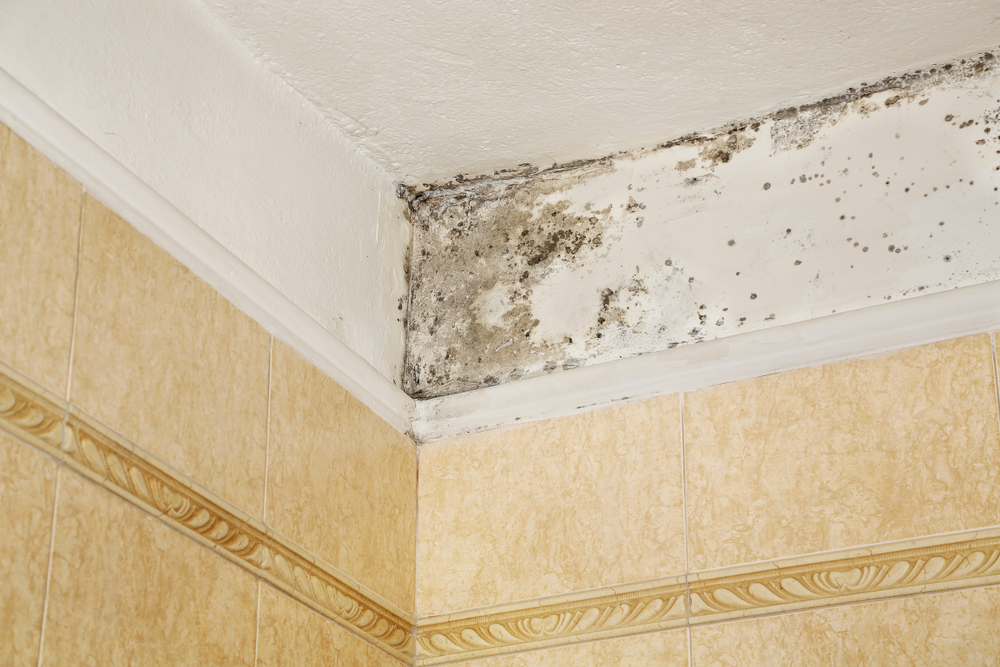

It’s almost impossible to keep mold spores out of our homes. Under the right conditions, these microscopic spores can rapidly reproduce and expand into a colony that’s visible to the naked eye. How does mold spread so quickly, and what can we do to stop it?
Beyond its unsightly look, mold poses serious health risks. Breathing in mold spores can trigger allergies, asthma attacks, and other respiratory issues. Some molds even produce toxins, making it crucial to act fast when you notice them. Stopping mold quickly protects both your property and your family’s health.
In this article, Pure Health Mold explains how mold spreads and the factors that help accelerate its growth. We’ll also provide simple tips to prevent mold growth and maintain healthy living spaces.
Understanding Mold’s Rapid Growth
Mold reproduces by releasing spores into the air. Drifting on air currents, these spores can enter an indoor environment through several vectors, including open windows and doors, ventilation systems, and on our clothing, shoes, and pets. It can proliferate in a number of indoor environments. How fast mold spreads depends on two main factors: access to nutrients and moisture.
Mold feeds upon organic materials such as wood, paper, or fabric. As it grows, it deteriorates the materials it grows on. Over time, this can cause significant aesthetic and structural damage to a property.
Once mold spores have alighted on a suitable surface, all they need is some moisture to get started. Standing water (say, from a hidden water leak) and humid surfaces provide an ideal breeding ground for mold spores to settle and grow, allowing them to multiply and expand rapidly. Growth can become visible after 24 to 48 hours; large mold colonies can start to appear within days.
The Pervasive Effects of Moisture on Mold Growth
Mold’s rapid growth and survival are primarily fueled by moisture. Water is crucial for mold to develop and spread, as even slight dampness can trigger its appearance:
- Small-scale exposure: Moderate dampness is sufficient to initiate mold growth, emphasizing the need for meticulous control over indoor moisture levels.
- Rapid growth: A water leak can precipitate mold growth in a remarkably short period, often overnight, underscoring the urgency of addressing moisture-related issues.
- High humidity: Elevated humidity levels significantly augment the likelihood of mold growth, serving as a major contributing factor in its proliferation.
Some of the common indoor moisture sources that fuel mold growth include:
- Leaky pipes are a big problem.
- Condensation on windows or pipes is common.
- Poor ventilation traps moist air.
- Flooding, even minor, creates damp spots.
Tips to Prevent the Spread of Mold
Here are six tips to help prevent the spread of mold:
Tip 1: Control Indoor Humidity
To maintain a comfortable indoor environment, use a dehumidifier to remove excess moisture, keep humidity below 50% to prevent mold and dust mites, and use exhaust fans in moisture-prone areas. Proper ventilation is crucial for fresh air circulation and expulsion of stale air. Open windows, use trickle vents, or install additional ventilation systems to maintain a balanced indoor humidity level and improve air quality.
Tip 2: Fix Leaks Promptly
To keep a healthy indoor environment, it is essential to fix leaks quickly. Regularly inspect pipes and roofs to spot signs of wear or potential water entry. If you find dripping faucets or leaking pipes, repair them right away to avoid more damage. Wet areas should be dried within 24 to 48 hours to lower mold growth risk. More than 60% of indoor air quality issues come from excess moisture and mold growth.
Tip 3: Improve Air Circulation
Enhancing air circulation is essential for a healthier living space. Open windows, use fans, and arrange furniture strategically to avoid obstructions. Regularly cleaning air vents also reduces dust accumulation and improves air circulation.
Tip 4: Clean and Dry Damp Areas
To maintain a clean and dry environment, wipe down shower walls, dry spilled liquids, and thoroughly clean refrigerator drip pans. Check under sinks for moisture signs to ensure they remain clean and dry. This will help prevent mold growth and maintain a healthy indoor environment.
Tip 5: Choose Mold-Resistant Materials
When renovating your home, choose materials resistant to mold growth, such as mold-resistant paint and drywall, which can withstand high moisture levels like basements. Non-porous flooring materials like tile or vinyl are less likely to support mold growth.
Tip 6: Regular Home Inspections
Regular home inspections are crucial for maintaining a healthy living environment. These should include checking areas like basements and attics for water stains and musty odors. Regular checks can help detect and rectify moisture-related issues promptly.
Conclusion – Ensuring a Mold-Free Home Environment
Maintaining a mold-free home is crucial for health and comfort. Mold growth is rapid and persistent, posing risks to indoor air quality and overall well-being. Moisture is the primary catalyst for mold development, so controlling humidity levels is essential.
Addressing leaks in plumbing, roofing, or other areas where water intrusion may occur is crucial to reducing the likelihood of mold spreading. Ensure your home is well-ventilated, as good airflow helps disperse moisture-laden air, inhibiting mold formation.Regular checks and maintenance inspections can catch potential mold problems early, allowing for timely interventions before they escalate. Following these tips and implementing proactive measures can create a healthier living environment for yourself and your loved ones. For more guidance or assistance in ensuring your home remains mold-free, contact us today.