
Mold spreads quietly, and many homeowners do not realize there is a problem until damage or symptoms start to add up. That is why PureHealth Mold recommends a thoughtful, event-based approach to inspections, along with a preventive check every few years if nothing urgent has happened. The goal is to protect both your home and your peace of mind before a small issue becomes a bigger one.
When Should You Get a Mold Inspection?
Most people schedule a mold inspection after something changes in the home. A major event often creates the moisture conditions mold needs to grow, or it may reveal a problem that was already hidden. If any of the situations below apply to you, it is smart to have your property evaluated as soon as possible.
-
After Water Damage
Water damage is one of the most common reasons to request a mold inspection. Even if a leak, flood, or plumbing issue seems minor, moisture remains trapped in walls, flooring, insulation, and other building materials. Mold can begin developing in as little as 24 to 48 hours under the right conditions, so quick action matters.
-
When You Buy a New Home
Any time you buy a new home, a mold inspection is worth considering, especially if the property has a history of leaks, humidity issues, or previous renovations. A standard home inspection may note visible concerns, but it does not always investigate the deeper causes of moisture intrusion or hidden mold contamination. That distinction matters if you want a fuller picture before closing.
-
After Acquiring a Vacant Property
Vacant properties are surprisingly vulnerable to mold. When a home sits empty, minor leaks, poor ventilation, and temperature fluctuations may go unnoticed for months. Without regular occupancy, those small issues might turn into widespread moisture problems before anyone realizes it.
-
When You Notice Signs of Mold
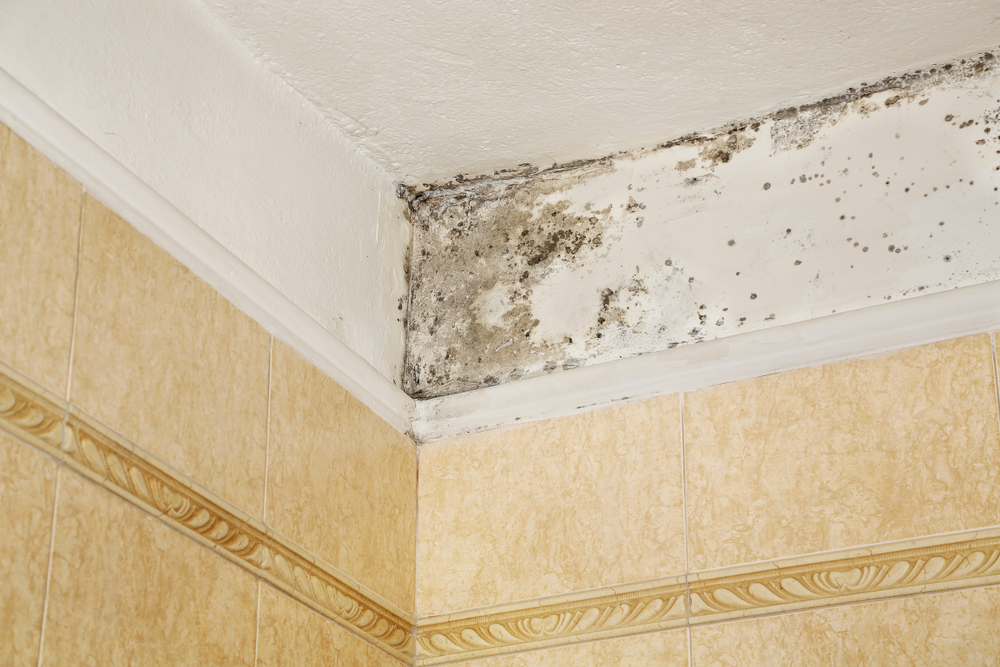
Visible signs of mold should never be ignored. You may see discoloration on walls or ceilings, notice a musty odor, or spot growth around windows, bathrooms, basements, or HVAC components. These are all cues that moisture may be present somewhere in the building.
-
When a Family Member Has Chronic Symptoms
Some people choose a mold inspection when a family member is dealing with chronic symptoms that seem to worsen at home. While symptoms can have many causes, indoor air quality is one factor worth evaluating, especially when there is a history of moisture or musty odors. People often report that their symptoms feel better when they are away from the home, which is an important clue.
-
When a Neighbor Finds Mold
If a neighbor uncovers a mold issue, it may be worth paying closer attention to your own home. Shared building designs, similar construction materials, and regional weather patterns can mean that nearby properties face comparable risks. This is especially relevant in townhomes, condos, older neighborhoods, and homes built in the same development.
How a Professional Mold Inspection Differs From an At-Home Test
At-home mold tests are not the same as a professional inspection from PureHealth Mold. While a DIY test may provide a general snapshot, it usually cannot identify the full scope of a problem or explain where moisture is coming from. In many cases, the most important question is not simply whether mold exists, but where it is, how extensive it may be, and what conditions are allowing it to grow.
-
At-home tests can suggest whether mold spores are present, but they often lack context.
-
Professional inspections evaluate the property, the moisture source, and the possible scope of contamination.
-
Expert guidance helps you understand next steps instead of leaving you with an unclear result.
If your goal is to protect your home and your health, a professional inspection is the more complete choice. It is not just about confirming mold, but about understanding why it may be there in the first place.
How Common Is Mold in American Homes?
Mold exposure is more common than many people realize. Studies and public health estimates suggest that a significant number of American homes have some level of dampness or mold-related concern, especially in regions with humidity, older construction, or a history of flooding. This means many families are living with conditions that affect comfort, sleep, and overall quality of life.
Quality of life matters. Your home should support rest, recovery, and daily comfort, not create ongoing uncertainty. That is one reason proactive mold inspections are so valuable, especially when you want to create a healthier indoor environment for your family.
Get Started With a Mold Inspection Today
So, how often do you need a mold inspection? The best answer is after a major event, whenever you notice a concern, and at least every five years if nothing else has prompted a check. That simple approach helps you stay ahead of hidden moisture problems and supports a healthier home environment.
If you are ready to take the next step, PureHealth Mold is here to help. We make it easier to understand what is happening in your home and what you may need to do about it. learn more