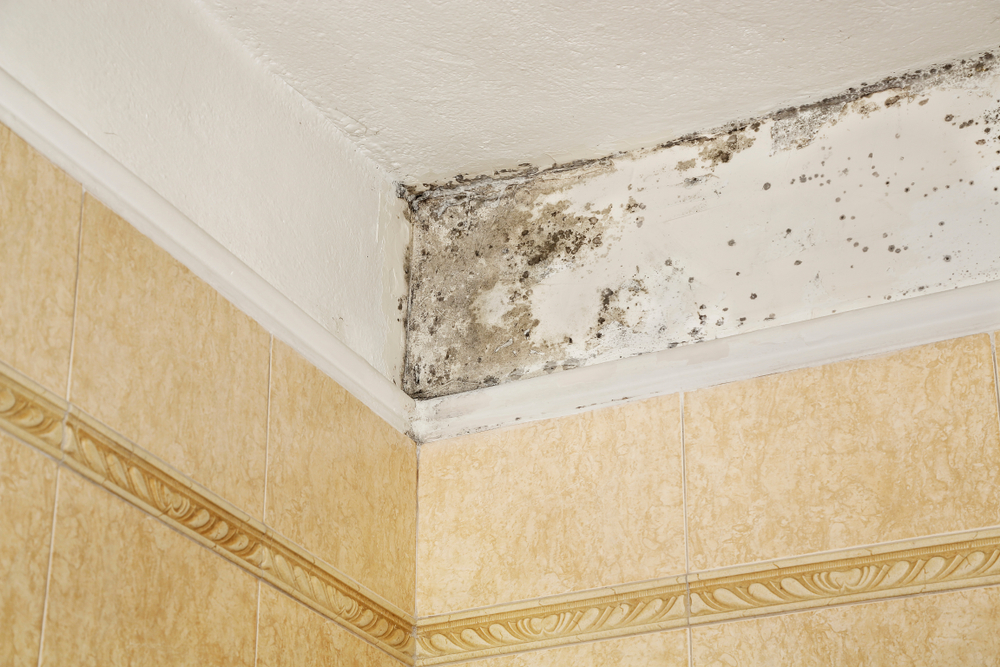

Being a property owner in a college town comes with a unique rhythm. Between constant tenant turnover, summer vacancies, subleases, and the occasional mystery left behind by students, it is easy for maintenance issues to slip through the cracks. One of the most important problems to catch early is mold, especially in rental properties that may sit closed up during breaks or experience repeated moisture exposure from everyday use. A timely mold inspection for rental properties in Fayetteville can protect your investment, preserve tenant satisfaction, and reduce the risk of costly downtime.
Why Rental Properties in Fayetteville Need Mold Inspections
Rental properties in Fayetteville often face conditions that make mold more likely to develop. High occupancy, frequent move-ins and move-outs, humidity, plumbing wear, and inconsistent ventilation all create opportunities for moisture to build up. In a college town, small leaks or unnoticed spills may go unreported longer than they should, which gives mold time to spread behind walls, under flooring, or in HVAC systems.
For property owners, the challenge is not just finding mold once it is visible. The bigger goal is catching hidden moisture problems before they affect the building’s structure or force a unit offline. Early inspection is especially valuable during summer downtimes, when there is often more access to vacant units, maintenance crews, and areas that are harder to evaluate while tenants are living there.
How Mold Affects Rental Property Performance
Mold creates more than a cleanup issue. It often leads to complaints, delayed leases, repair expenses, and a damaged reputation if tenants believe a property is not being maintained properly. In multi-unit or high-turnover housing, one moisture problem also influences adjacent spaces if it is left unresolved.
Even when mold is not obvious, signs such as musty odors, stained drywall, recurring condensation, or allergy-like complaints from occupants can point to a larger issue. A thorough inspection clarifies whether the concern is cosmetic, environmental, or connected to hidden water damage. That clarity matters for planning repairs, budgeting, and deciding when a property should be re-rented.
What to Expect from a PureHealth Mold Inspection
PureHealth Mold takes a detailed, systematic approach to rental property inspections. Our process is built to identify visible concerns, uncover hidden moisture sources, and document findings in a way that is useful for owners, managers, and maintenance teams. We do not just look for surface-level signs. We evaluate the property as a whole so you understand both the current condition and the areas that may require follow-up.
1. Initial Property Review
We begin by discussing the property’s history, including prior water damage, tenant concerns, repairs, and any signs of recurring issues. This helps us focus the inspection on areas most likely to be affected. For rental properties, this step is especially helpful because it often reveals patterns tied to turnover, subleasing, or seasonal vacancies.
2. Visual Inspection of Key Areas
Our team carefully examines areas where mold is most likely to appear, including bathrooms, kitchens, laundry spaces, basements, attics, closets, window areas, and around plumbing fixtures. We also evaluate HVAC-related concerns, since moisture and poor airflow can contribute to hidden growth. If a property has multiple units, we pay attention to shared walls, common mechanical areas, and any place where water intrusion might spread.
3. Moisture and Humidity Assessment
Because mold depends on moisture, identifying damp conditions is a critical part of the inspection. We look for signs of leaks, condensation, poor drainage, and elevated humidity that may not be immediately visible. This step helps uncover problems that may not yet be producing obvious mold but could create conditions for it over time.
4. Targeted Testing When Appropriate
When needed, we may use targeted testing methods to better understand air quality or surface conditions in specific parts of the property. Testing is not always required in every situation, but it can be useful when visible evidence is limited or when a property owner needs more information before deciding on next steps. The goal is to provide reliable, actionable information rather than guesswork.
Why Summer Downtime Is the Ideal Time to Inspect
Summer can be one of the best times to schedule a mold inspection for rental properties in Fayetteville. Vacant units are easier to access, repairs can often be completed before fall move-ins, and there is more flexibility to examine problem areas without disrupting tenants. This is particularly important in college housing, where the gap between leases may be the most efficient window for preventative maintenance.
Downtime inspections also give property owners a chance to correct issues before a new tenant is affected. If a leak, ventilation issue, or past water event has been lingering unnoticed, summer is the time to catch it. Addressing it early can help reduce emergency calls later and support a smoother leasing cycle.
Why In-Depth Reporting Matters
One of the most valuable parts of the PureHealth Mold process is our in-depth reporting. A good inspection should not leave you with vague concerns and no direction. Our reports are designed to clearly outline what was found, where it was found, and what it may mean for the property moving forward.
Property owners and managers need documentation they can use. That means readable summaries, location-specific observations, and recommendations that support maintenance planning. Whether you are preparing for a turnover, coordinating repairs, or evaluating a property between tenants, the report helps you move from uncertainty to a practical action plan.
What the Report Can Include
- Areas inspected and conditions observed
- Visible signs of moisture, staining, or potential mold activity
- Notes on humidity, ventilation, and water intrusion concerns
- Testing recommendations, if applicable
- Suggested next steps for maintenance or remediation planning
This level of detail is especially valuable for rental property owners because it creates a record that can guide future inspections. It can also help distinguish between an isolated issue and a pattern that needs long-term attention. In a fast-moving rental market, that documentation can save time and reduce confusion.
Get Started with Mold Inspection for Rental Properties in Fayetteville
Whether you manage one house or several rental units, our comprehensive inspection process and in-depth reporting can help you stay ahead of problems before they disrupt your schedule or your bottom line. Reach out to PureHealth Mold to get started and take the next step toward protecting your property. Learn more.