
Every day, the average person inhales around 3,000 gallons of air—enough to fill a tanker truck. This air contains much more than just oxygen. Mold spores, volatile organic compounds (VOCs), bacteria, fine dust, and other microscopic particles constantly circulate through homes and buildings.
Since most people spend 90% of their time indoors, indoor air quality (IAQ) plays a significant role in respiratory health, immune function, and overall well-being. While outdoor air pollution often receives more attention, studies show that indoor air can be 2 to 5 times more polluted than outdoor air due to poor ventilation, trapped allergens, and the accumulation of chemical emissions from household products.
The Unseen Dangers in the Air You Breathe
Many indoor air pollutants go unnoticed because they are invisible and often odorless. However, their effects can be profound, particularly for individuals with mold sensitivities, asthma, chronic inflammatory response syndrome (CIRS), autoimmune disorders, or chemical sensitivities.
1. Mold Spores & Mycotoxins
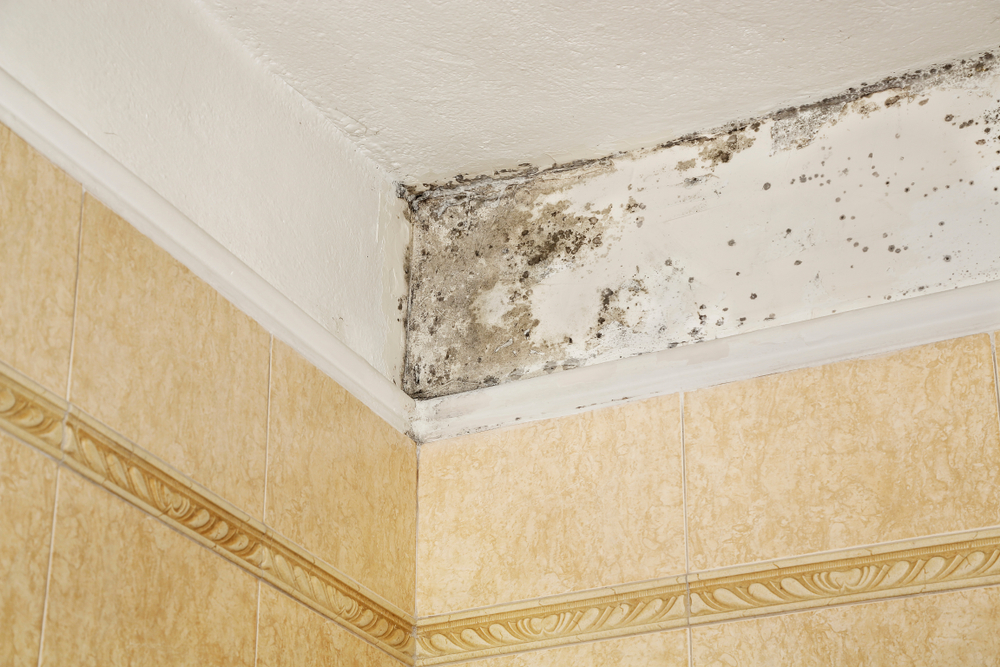
Mold is a fungal organism that thrives in damp environments. While some mold species are harmless, others produce toxic compounds called mycotoxins that can significantly impact health. Exposure to mold spores and mycotoxins has been linked to:
- Respiratory distress (wheezing, shortness of breath, chronic cough)
- Neurological symptoms (brain fog, dizziness, memory issues, anxiety)
- Chronic fatigue and muscle pain
- Sinus infections and persistent headaches
- Skin reactions and unexplained rashes
- Immune system suppression
Mold Species of Concern
- Stachybotrys chartarum (Black Mold): Produces potent trichothecene mycotoxins, which can cause severe respiratory inflammation, cognitive dysfunction, and immune suppression.
- Chaetomium globosum: Common in water-damaged drywall, this mold is associated with sinus infections, neurological symptoms, and chronic inflammation.
- Aspergillus & Penicillium: Frequently found in damp indoor environments; some species produce carcinogenic aflatoxins and sterigmatocystin, which may damage the liver and nervous system.
- Alternaria alternata: A strong airborne allergen, often linked to asthma flare-ups and respiratory issues.
- Cladosporium: Can trigger allergic reactions, asthma, and chronic sinus issues.
Mold spores are microscopic and travel effortlessly through the air, settling on surfaces and accumulating in dust. Even if mold is not visible, elevated spore counts can still trigger symptoms.
2. Volatile Organic Compounds (VOCs) & Chemical Pollutants
VOCs are chemical gases released from household materials, including furniture, carpets, paint, cleaning products, and air fresheners. Common VOCs include:
- Formaldehyde – Found in furniture, pressed wood, and adhesives; can cause eye irritation, respiratory problems, and long-term cancer risks.
- Benzene & Toluene – Emitted from solvents, tobacco smoke, and gasoline fumes; associated with neurological impairment, immune dysfunction, and hormonal disruption.
- Acetone & Xylene – Found in nail polish remover, paint, and synthetic materials; known to cause dizziness, headaches, and nausea.
Prolonged exposure to VOCs has been linked to hormonal imbalances, chronic fatigue, neurotoxicity, and organ damage.
3. Bioaerosols & Bacteria
In addition to mold, indoor air can contain pathogenic bacteria, dust mites, and airborne microbial fragments. Bacteria from HVAC systems, water-damaged materials, or poor ventilation can become aerosolized and inhaled.
- Legionella bacteria – Thrives in stagnant water sources, humidifiers, and poorly maintained air conditioning systems, leading to respiratory infections like Legionnaires’ disease.
- Endotoxins – Released by Gram-negative bacteria; can cause chronic inflammation, worsening of asthma, and immune suppression.
4. Particulate Matter (PM2.5 & PM10)
Particulate matter consists of tiny airborne particles that can penetrate deep into the lungs and bloodstream, triggering inflammatory responses, lung damage, and cardiovascular risks. Indoor sources of PM include:
- Burning candles, cooking fumes, fireplaces
- Synthetic fibers from furniture and carpets
- Construction debris, dust, and deteriorating insulation
Long-term exposure to PM2.5 has been linked to lung cancer, chronic obstructive pulmonary disease (COPD), and cardiovascular disease.
Who is Most Affected by Indoor Air Contaminants?
While everyone is susceptible to poor air quality, certain groups experience greater health risks:
- Children & Infants – Their developing lungs are more vulnerable to airborne toxins.
- Elderly Individuals – Reduced lung function makes exposure more hazardous.
- Asthma & Allergy Sufferers – Mold spores, dust mites, and VOCs exacerbate symptoms.
- Immunocompromised Individuals – Those with weakened immune systems are at higher risk for infections.
- CIRS & Mold-Sensitive Individuals – Even low-level mold exposure can trigger severe symptoms.
How to Improve Indoor Air Quality & Reduce Health Risks
- Control Moisture & Prevent Mold Growth
Mold thrives in humidity above 60%. To minimize growth:
- Keep indoor humidity between 40–50% using dehumidifiers.
- Fix leaks and water damage immediately.
- Use exhaust fans in bathrooms and kitchens to reduce moisture buildup.
- Insulate cold surfaces to prevent condensation.
- Improve Ventilation & Air Filtration
- Increase fresh air exchange by opening windows when outdoor conditions allow.
- Use HEPA air purifiers to capture mold spores, VOCs, and fine particulate matter.
- Install energy recovery ventilators (ERVs) to improve airflow without losing heat or cooling efficiency.
- Upgrade HVAC systems with MERV-13 filters to remove ultrafine pollutants.
- Reduce Exposure to VOCs & Chemical Pollutants
- Choose low-VOC paints, sealants, and furniture.
- Avoid synthetic air fresheners and opt for essential oil diffusers.
- Use natural, fragrance-free cleaning products.
- Store solvents, adhesives, and pesticides in sealed containers away from living spaces.
- Remove Contaminants from Surfaces & Dust
- Vacuum with a HEPA filter to remove mold spores, dust, and allergens.
- Wash bedding, curtains, and upholstered furniture regularly to prevent dust buildup.
- Wipe down surfaces with non-toxic antimicrobial solutions to reduce bacterial and mold contamination.
- Consider Alternative, Low-Toxicity Building Materials
- Use mineral-based paints instead of petroleum-based options.
- Opt for non-toxic insulation like formaldehyde-free rock wool.
- Choose natural flooring (hardwood, tile, stone) instead of carpet, which traps mold and VOCs.
The Bottom Line: Indoor Air Quality Affects Long-Term Health
Breathing in 3,000 gallons of air per day means even small amounts of mold, VOCs, and fine particulate matter can accumulate in the body over time. The symptoms of mold exposure and poor air quality can range from mild allergies to debilitating chronic illness.
Taking proactive steps—such as controlling humidity, improving ventilation, using non-toxic materials, and removing contaminants—can significantly reduce health risks.
If you suspect your home’s air is affecting your health, indoor air quality testing and targeted remediation can provide critical answers and solutions.
Your health starts with the air you breathe. Make sure it’s working for you, not against you.