If you live in Fayetteville, it is reasonable to wonder whether your home is more vulnerable to mold growth than homes in drier parts of the country. The short answer is yes, homes in Fayetteville can be prone to mold because of the local climate, seasonal humidity, and the way many homes are built and ventilated. Mold does not appear out of nowhere. It develops when moisture, warmth, and organic building materials come together, which means both the environment and the home itself play a role.
For homeowners, renters, and property managers, understanding why mold is common in this region can help you respond early and protect both your property and your health. Mold exposure is especially concerning for people with allergies, asthma, chronic sinus issues, or other sensitivities. That is why a careful inspection and a clear action plan matter so much when mold is suspected.
Why Homes in Fayetteville are Prone to Mold
Fayetteville has a humid subtropical climate, which means warm summers, frequent moisture in the air, and seasonal rainfall that can linger in homes long after a storm ends. High outdoor humidity can easily creep indoors through open doors, windows, crawl spaces, poorly sealed foundations, and HVAC systems. Once indoor humidity rises, mold has a better chance to grow on drywall, wood, insulation, carpet, and stored belongings.
Local weather patterns also matter because repeated rain and temperature swings can strain a home’s exterior envelope. When water intrusion goes unnoticed, even small leaks around windows, roofs, plumbing lines, or vents can create hidden dampness inside walls and flooring. In a humid climate like Fayetteville, those small moisture problems can become bigger mold issues faster than many homeowners expect.
How Home Building Techniques Affect Mold Risk
Home construction methods either reduce mold risk or make moisture problems harder to control. In Fayetteville and similar climates, many homes are built with materials and layouts that perform well when properly maintained, but they still depend on ventilation, sealing, and drainage. A home does not have to be old to develop mold, and newer homes are not automatically protected.
One of the biggest concerns is how a home handles moisture movement. If the building envelope is not well sealed, humid air can enter and condense inside walls or attics. If the grading around the property slopes toward the house, rainwater may pool near the foundation. If the crawl space is not adequately encapsulated or ventilated, moisture can rise into the living space and affect indoor air quality.
Signs Mold May Be Present in Your Home
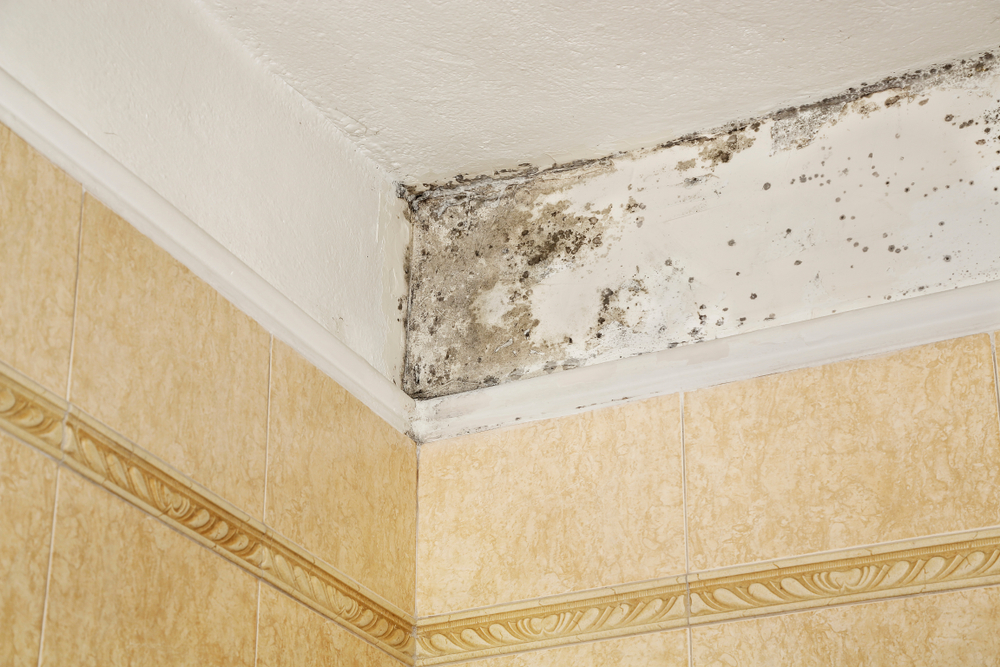
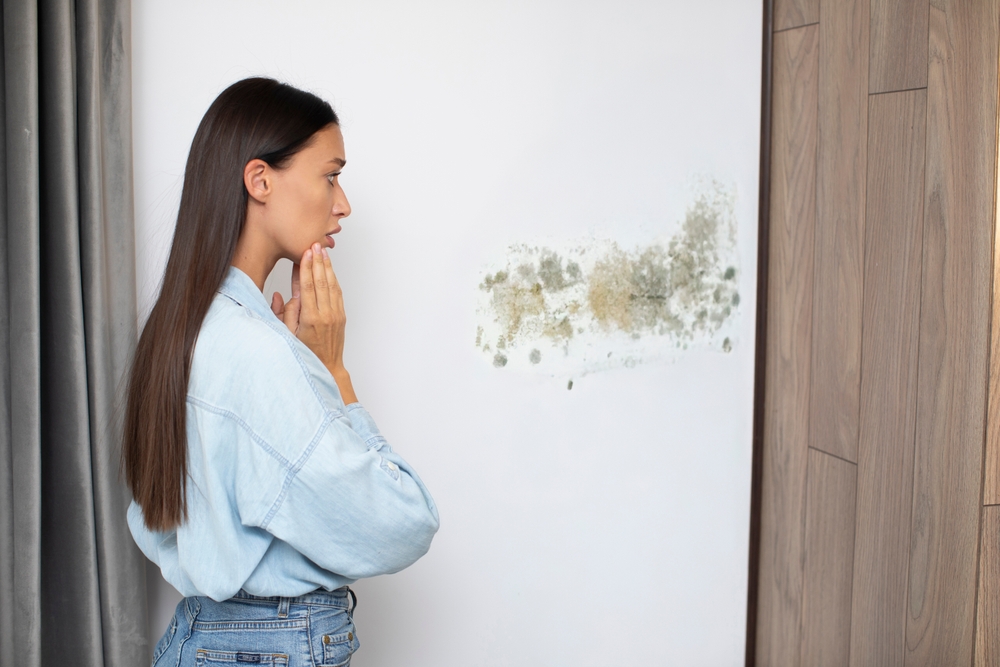
Mold can be visible, but it is often hidden behind walls, under flooring, inside HVAC components, or in crawl spaces. That is why many homeowners first notice indirect clues rather than the mold itself. A persistent musty smell, recurring condensation, or unexplained allergy-like symptoms can all point toward a moisture issue that deserves attention.
Other warning signs include stains on ceilings or walls, bubbling paint, warped baseboards, or soft spots in drywall. In some cases, the house may seem to have one room that always feels damp or stale. If you have had a leak, storm damage, or a humidity problem, it is wise to assume there may be an underlying mold risk until the area is checked thoroughly.
Why a Professional Mold Inspection Matters
Trying to guess whether mold is present can lead to delays, unnecessary expenses, or incomplete cleanup. A professional inspection helps identify where moisture is coming from, where mold may be growing, and what should be addressed first. This is especially important in homes with multiple sources of moisture, such as crawl space dampness, HVAC issues, and past water damage.
PureHealth Mold offers certified mold inspections designed to find the source of the problem, not just the surface symptoms. According to our certified mold inspection process, the goal is to identify mold concerns and provide a comprehensive action plan report that helps to guide the next steps. That kind of detailed reporting gives homeowners a clearer path forward, whether the issue is a small hidden leak or a larger pattern of moisture intrusion.
What a comprehensive action plan report can help with
- Documenting visible signs of mold and moisture
- Identifying likely sources of water intrusion
- Highlighting areas that may need further evaluation
- Providing a step-by-step action plan for next stages
- Helping homeowners make informed decisions with confidence
How PureHealth Mold Helps Fayetteville Homes Prone to Mold
When mold is suspected, it helps to work with a team that understands both the local climate and the importance of careful, objective assessment. Fayetteville homes may be prone to mold, so a one-size-fits-all approach is not enough. PureHealth Mold focuses on certified mold inspections that uncover what is happening in the home and translate that information into a useful action plan.
This approach is especially helpful for families who are concerned about respiratory symptoms, ongoing dampness, or recurring indoor air problems. It is also valuable for homeowners preparing to repair, sell, or renovate a property because hidden moisture issues affect project planning. With the right inspection and report, you can move from uncertainty to a clear plan of action. learn more
Certified Mold Inspections in Fayetteville and Beyond
Homes in Fayetteville can be prone to mold because the region’s humidity, rainfall, and building conditions can create ideal moisture conditions indoors. Crawl spaces, HVAC systems, poor drainage, and hidden leaks can all contribute to mold growth if they are not managed carefully.
The good news is that mold risk can be identified and addressed with a professional inspection and a clear plan. If you suspect mold in your home, PureHealth Mold can help with a certified mold inspection and a comprehensive action plan report.