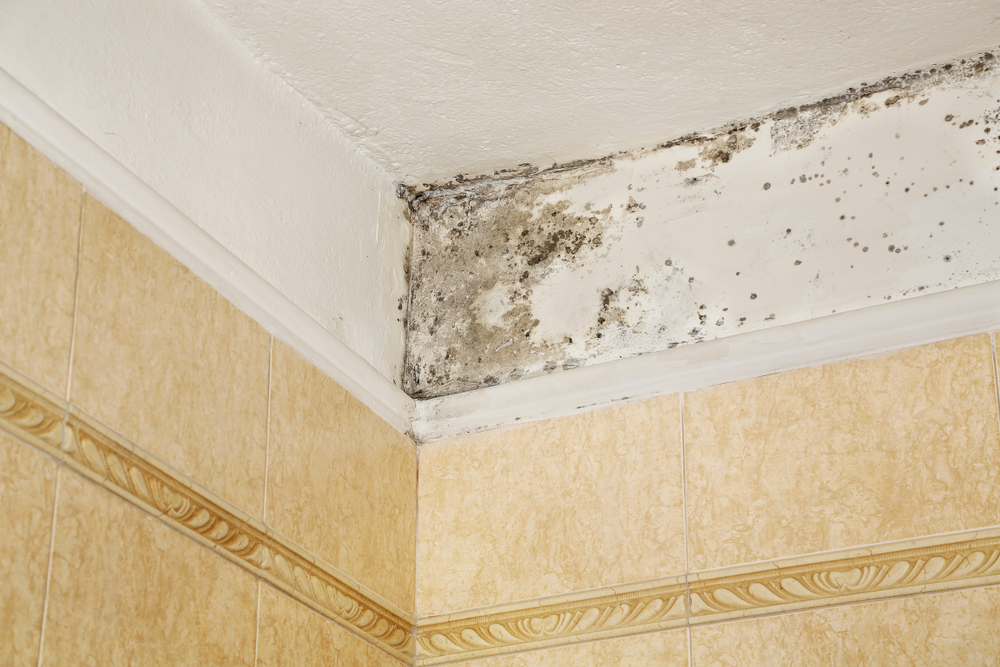

Why Mold Matters in a Home Purchase
Mold thrives where moisture is present, and that means even a beautiful house can have problems in hidden places. Leaks in roofs, plumbing, basements, crawl spaces, or HVAC systems can create conditions where mold grows unnoticed for months or even years. By the time visible signs appear, the damage may already be extensive.
According to indoor air quality experts, mold is common in homes across the United States, especially in properties that have experienced leaks, flooding, or chronic humidity. Not every home has a mold problem, but the possibility is common enough that buyers should take it seriously. If you are still wondering if you should get a mold inspection before buying a home, consider that the cost of testing is usually small compared with the cost of remediation, repairs, or medical concerns later.
What a Standard Home Inspector May Miss
Home inspectors play an important role in the buying process, but their job is broader than deep environmental testing. They may spot visible stains, warped materials, or signs of past water intrusion, yet they usually do not perform the level of sampling or analysis needed for a complete mold evaluation. That means a clean home inspection report does not always mean the home is free of mold.
A PureHealth Mold inspector brings different tools, methods, and certifications to the process. This can include a more detailed assessment of moisture sources, air quality concerns, and areas that may not be obvious during a routine walk-through. If you have been asking if you should get a mold inspection before buying a home, one of the strongest reasons is that a specialized inspection can uncover concerns that a general inspection simply was not designed to catch.
How Mold Can Affect Buyers After Move-In
Sometimes a home looks perfect during showings and inspections, but new owners begin to notice symptoms after moving in. These can include headaches, congestion, fatigue, irritation, or a general sense that something is not right in the environment. While these symptoms are not proof of mold on their own, some families do report new, persistent issues after settling into a house with hidden contamination.
That uncertainty is stressful, especially when you have already committed financially to the purchase. A mold inspection before closing reduces that risk by identifying concerns early.
When to Request a Mold Inspection
The best time to request a mold inspection is after your offer is accepted but before closing, during the due diligence period if your contract allows it. This window gives you time to investigate concerns without slowing down the purchase unnecessarily. It also gives you leverage if the inspection identifies a problem that needs to be addressed.
If mold is found before closing, you may be able to negotiate repairs, ask for a price reduction, or request additional money at closing to help cover remediation. In many cases, buyers feel much more confident moving forward when they know exactly what they are dealing with. For anyone asking if they should get a mold inspection before buying a home, timing matters because early detection influences the negotiation process in your favor.
Common Signs That Warrant Extra Caution
Some homes deserve a closer look than others. If a property has a history of leaks, flooding, musty odors, visible staining, or signs of long-term humidity, a mold inspection becomes even more important. Homes that have been vacant for a long time or recently renovated after water damage also benefit from further evaluation.
Situations where a mold inspection is especially smart
- The home has had roof, plumbing, or basement leaks.
- There is a musty smell in any room, closet, or crawl space.
- The property has a history of flooding or water intrusion.
- Family members are sensitive to allergies or respiratory irritation.
- You want stronger negotiation power before closing.
What Happens During a Professional Mold Inspection
A professional mold inspection is designed to look deeper than the surface. Depending on the property and the concern, the process may include a visual assessment, moisture readings, air sampling, surface sampling, or a review of areas where hidden water damage could exist. The goal is to identify not just visible mold, but the source of the moisture that allows it to grow.
At PureHealth Mold, this type of inspection is approached with care and detail so buyers have a clearer picture before making a commitment. If you are still asking if you should get a mold inspection before buying a home, knowing what happens during the process makes the decision easier. It is not about creating fear but an informed choice. invite people to learn more
PureHealth Mold Can Help
If you are buying a new home and want to feel more confident in your decision, PureHealth Mold is here to help. Our team can evaluate the property with a thorough mold inspection so you understand what is happening before you close. With the right information, you can move forward with greater clarity and less stress.