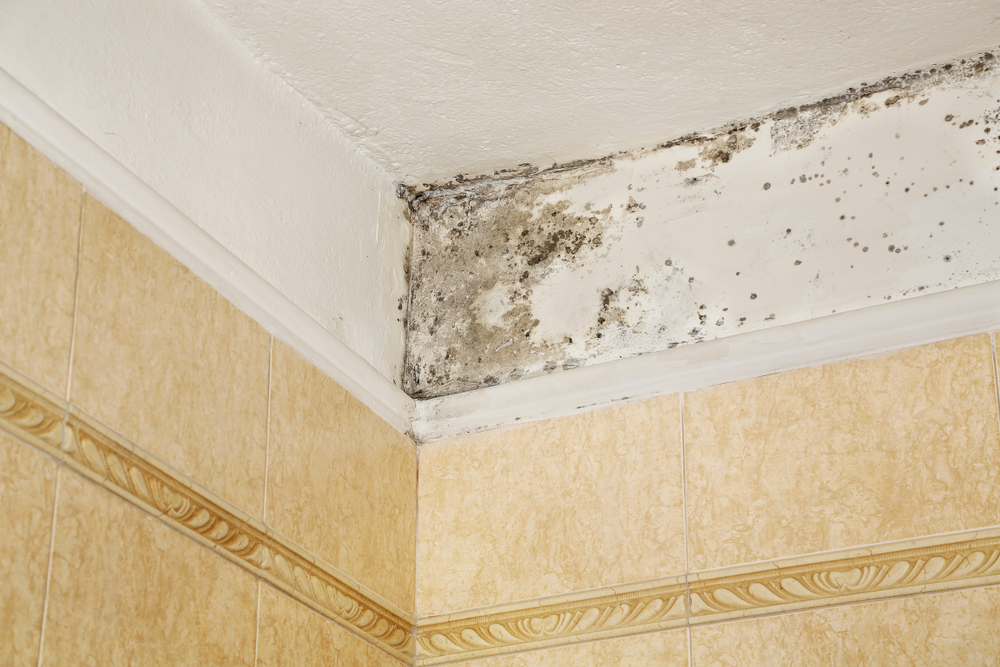

You’ve probably seen the many news stories, YouTube videos, or social media posts warning of the hazards posed by black mold. But is it all hype? Can black mold make you sick?
Exposure to Stachybotrys chartarum, aka “black mold,” can put your health at risk. While not everyone exposed to black mold will experience negative effects, it can pose significant health threats, particularly to vulnerable populations such as children, the elderly, and those with pre-existing respiratory conditions. The longer the exposure, the greater the risk.
In this article, Pure Health Mold will reveal six symptoms that can result from exposure to black mold. We’ll also discuss strategies to reduce mold presence in indoor environments. By addressing black mold proactively, you can minimize its impact and ensure a safe space for you and your loved ones.
Symptom 1 – Persistent Coughing and Sneezing
Persistent coughing and sneezing are one of the early signs of black mold exposure. While not everyone shows symptoms, those sensitive to mold may develop these respiratory issues as their immune system reacts. Black mold releases tiny spores that can cause inflammation, leading to ongoing coughing and sneezing.
Since continued exposure can lead to serious health issues, it’s important to recognize the symptoms of black mold early on. Addressing black mold quickly through professional removal and improving air quality can help reduce these symptoms.
Understanding this connection helps you take steps toward a healthier home. Early detection and action are key for better well-being.
Symptom 2 – Skin Irritation and Rashes
Prolonged exposure to black mold can trigger uncomfortable skin irritation and rashes. While not everyone experiences these symptoms, individuals sensitive to mold often report redness, itching, and inflamed patches that can persist if the environment remains contaminated.
Recognizing these signs early is crucial, as they highlight the need for immediate action to remove mold and protect your health. Fortunately, addressing black mold promptly not only alleviates skin issues but also prevents more severe respiratory or neurological problems down the line.
By maintaining a clean, dry living space and using professional remediation when necessary, you empower yourself to regain control over your well-being. Remember, your skin is a powerful indicator; when irritation appears, it’s a call to safeguard your environment and prioritize your health.
Symptom 3 – Chronic Fatigue and Weakness
Chronic fatigue and weakness are common symptoms of black mold exposure. Mold spores can release mycotoxins that disrupt the immune system and energy levels, causing lasting exhaustion that rest doesn’t fix.
Recognizing these symptoms early is important as ongoing fatigue can hurt quality of life and productivity. Professional mold removal and improving air quality can help.
Staying hydrated, eating well, and seeking medical help can also aid recovery. This highlights the need for mold-free living environments for better health and well-being.
Symptom 4 – Nasal Congestion and Sinus Issues
Nasal congestion and sinus issues are common symptoms, especially in environments where black mold is present. Mold spores can trigger allergies and respiratory problems, leading to inflammation of the nasal passages and sinuses.
This condition not only causes discomfort but can also lead to more serious health concerns if left untreated. The good news is that by identifying the presence of black mold in your home or workplace, you can take proactive steps to improve your air quality and overall well-being. Regular cleaning, proper ventilation, and mold remediation are essential actions that can alleviate these symptoms.
By creating a healthier living space, you can breathe easier and enjoy an improved quality of life. Remember, awareness is the first step toward prevention; understanding the connection between black mold and nasal issues empowers you to take control of your health. Don’t let mold dictate how you feel—act now for a fresher tomorrow!
Symptom 5 – Headaches and Migraines
Exposure to black mold can significantly contribute to the onset of headaches and migraines. Mold releases mycotoxins and allergens into the air, which can trigger inflammatory responses in the body, including the nervous system.
Many individuals living or working in mold-infested environments experience frequent, intense headaches or migraine episodes that diminish once they remove themselves from the contaminated area. Understanding this connection empowers you to take proactive steps toward improving indoor air quality and protecting your health.
Removing black mold from the environment can reduce the frequency of debilitating headaches and enhance overall well-being and productivity. Recognizing headaches as a potential warning sign of mold exposure helps you act swiftly, ensuring a healthier living space and a stronger, more resilient you.
Symptom 6 – Respiratory Problems or Asthma Attacks
Black mold exposure can significantly impact respiratory health, often triggering or worsening asthma attacks and other breathing difficulties. The microscopic spores released by black mold irritate the airways, causing inflammation that makes it harder to breathe.
For individuals with asthma or other pre-existing respiratory conditions, this can mean more frequent and severe attacks. Recognizing these symptoms early is crucial for taking action to improve indoor air quality.
Eliminating black mold not only reduces these respiratory risks but also promotes a healthier living environment overall. By addressing mold growth proactively, you empower yourself to breathe easier and protect your long-term lung health.
Strategies to Reduce Mold Presence
Exposure to mold, especially black mold, can be dangerous, but you can improve your environment by following four essential tips. PureHealth Mold Inspections is ready to offer the detailed and reliable inspection and analysis you need.
First, identify and remove sources of moisture, as mold grows in damp areas like bathrooms and basements.
Second, regular inspections help improve ventilation in your home by lowering humidity through the use of windows and exhaust fans, particularly when cooking or showering.
Third, quickly clean and dry moldy surfaces, using water and detergent for small areas, and seek professional help for larger problems.
Lastly, air purifiers with HEPA filters can be used to capture mold spores and enhance air quality.
Taking these steps protects your health and promotes well-being.
Importance of Addressing Mold Exposure
Knowing that black mold is making you sick is important, but taking action against mold exposure is even more critical. Mold, especially toxic types like black mold, can harm your health by causing allergies, breathing issues, and serious neurological problems. Ignoring these dangers can result in long-term health problems and a decreased quality of life.
Reducing mold exposure is crucial for your health and the well-being of your home. If you think there is mold in your home or workplace, contact us today. The Pure Health Mold team can help you identify and eliminate mold risks. Take control now to protect your health.