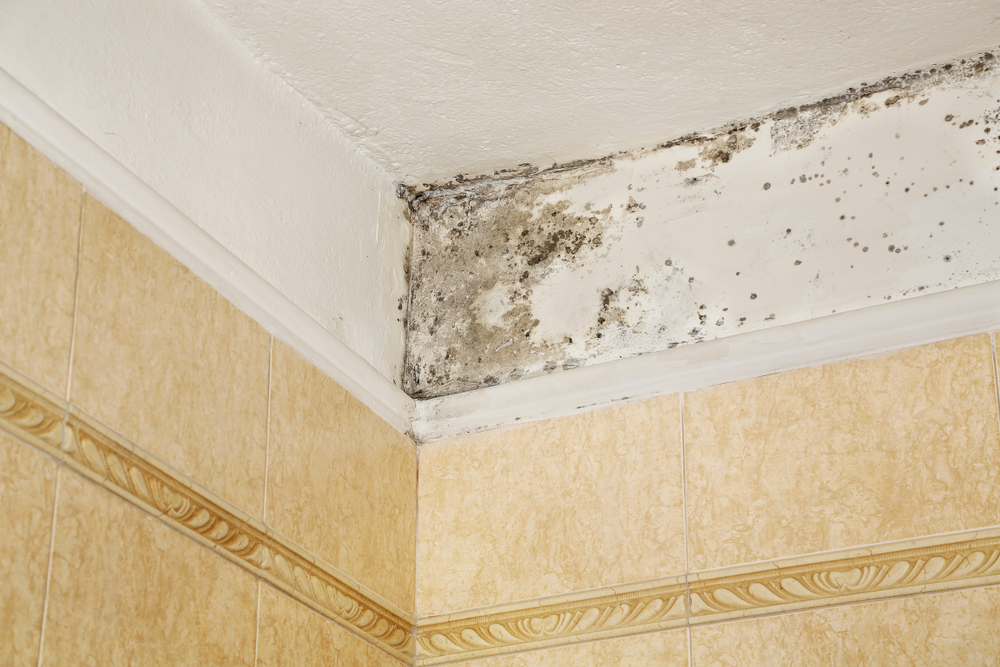

Mold spores are everywhere and can enter indoor environments through several ways, including open doors and windows, HVAC systems, and even on our person and pets. All they need to grow is a little moisture. But how much? At what humidity levels does mold start to grow?
Mold is a problem for two reasons. Prolonged exposure to mold can trigger various health issues, including respiratory problems and allergies. In addition, as mold spreads, it deteriorates the surfaces it grows on; over time, this can cause significant damage to your home, business, and personal belongings.
In this article, Pure Health Mold describes the conditions that promote mold growth, focusing on the role humidity plays in mold growth. In addition to explaining how humidity levels affect mold growth, we’ll also offer effective moisture control strategies to help ensure your indoor spaces remain safe and sound.
What Is Mold and Why Is It Harmful?
Mold is a type of fungus that thrives in damp, humid environments, typically when indoor humidity exceeds 60%. Common household molds include black mold (Stachybotrys), which is known to cause serious health issues, as well as Aspergillus, Penicillium, and Cladosporium. These molds release spores and toxins into the air that can trigger allergies, asthma, and other respiratory problems. Symptoms of mold exposure often include sneezing, coughing, and skin irritation.
Beyond health risks, mold can cause significant structural damage as well. For example, mold growing in basements can weaken building materials and produce unpleasant odors. Depending on the extent of the damage, repairs can be costly, ranging from $500 to $6,000.. Controlling humidity levels is key to preventing mold growth; keeping indoor humidity below 60% creates an environment where mold struggles to survive, protecting both your health and your home.
How Does Humidity Affect Mold Growth?
Humidity plays a crucial role in mold growth:
- Humidity levels above 60% can create the ideal environment for mold spores to grow.
- Prolonged exposure to moisture from leaks or condensation can lead to damp surfaces, which in turn encourage mold growth.
- High indoor humidity can result from activities like cooking and showering without proper ventilation, increasing the risk of mold development.
- Poor air circulation in enclosed spaces can trap humidity, allowing mold to spread.
- Seasonal changes can affect indoor humidity levels; warm, humid months often lead to increased mold growth.
Recognizing these causes is essential for maintaining a healthy home environment. By controlling humidity through dehumidifiers and proper ventilation, you can effectively prevent mold growth and protect your living space.
How Fast Can Mold Spread?
Understanding when mold begins to grow is crucial for maintaining a healthy environment. Mold can sprout within just 24 to 48 hours when humidity levels exceed 60%. Initial signs such as discoloration, a musty smell, or water stains often signal the onset of mold development.
Common hotspots include bathrooms, kitchens, and basement areas prone to moisture accumulation. Additionally, hidden mold can thrive behind walls or under floors, making it essential to inspect these spaces.
Factors like leaky pipes, flooding, and chronic dampness significantly accelerate mold growth, while poor ventilation traps moisture indoors, creating ideal conditions for mold proliferation. By keeping humidity levels in check and ensuring proper airflow, you can prevent mold from taking hold. Remember, proactive measures are key to a mold-free home!
Preventing Mold Growth
Here are some tips for preventing mold growth in indoor environments:
- Control Indoor Humidity – Knowing at what humidity levels mold starts to grow is important to stop its spread. Since mold grows best in environments with over 50% humidity, using dehumidifiers can help reduce moisture, especially in damp areas. Exhaust fans in bathrooms and kitchens can also remove excess humidity from showers and cooking. Regularly checking humidity levels with a hygrometer keeps your home mold-free. By following these steps, you protect your living space and create a healthier environment for your family.
- Improve Home Ventilation – Good home ventilation prevents mold by managing humidity above 60%. Open windows regularly for fresh air and consider installing vents or using dehumidifiers. These steps lower moisture levels, creating a healthier home and effectively preventing mold growth.
- Fix Leaks and Water Problems – Preventing mold requires controlling indoor moisture levels. Fixing leaks and drying wet areas within 24 to 48 hours helps prevent mold growth. Keeping indoor humidity below 60% and managing water intrusion protects air quality and home structure.
- Regular Cleaning and Inspection – To prevent mold, regularly clean and check moisture-prone places like bathrooms and kitchens. Use mold-resistant products and look for hidden leaks or damp spots behind walls. Fixing these issues improves air quality and protects your home. Stay proactive about humidity to stop mold before it starts.
- Use Mold-Resistant Materials – Using mold-resistant drywall and paint helps prevent moisture absorption and mold growth. These materials stop mold spores, especially in damp areas. Sealing gaps around windows and doors is also important to keep moisture out and control indoor humidity. Together, these methods improve indoor air quality and protect your home, ensuring comfort and safety over time.
By implementing these strategies, you can create a healthy environment that discourages mold growth and enhances your overall well-being. Remember, proactive measures are key to a mold-free home!
Breathe Easy: Keep Mold at Bay!
Keeping indoor humidity levels below 50% significantly reduces the risk of mold growth and protects your living space.
In addition to controlling indoor humidity levels, regular home maintenance and inspections, such as fixing leaks promptly and ensuring proper ventilation, play a vital role. Regular cleaning helps remove spores before they become an issue. Taking these proactive measures not only safeguards your health but can also save you money on costly repairs.Don’t wait until mold becomes a problem; act now to create a healthier, mold-free environment for you and your family. Contact us today to learn how we can help you maintain optimal indoor air quality and keep mold at bay.