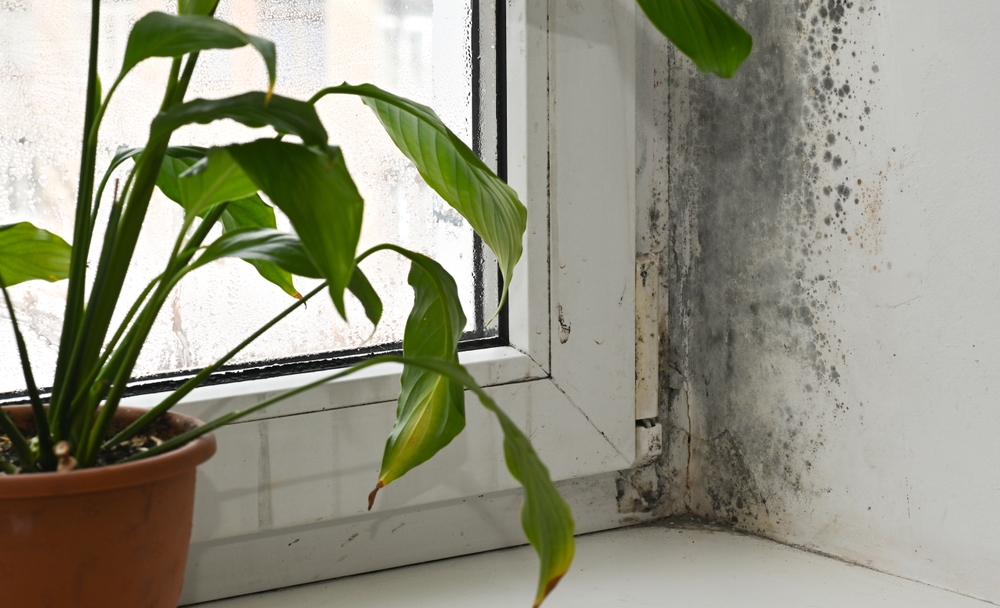

Imagine walking through your home, a sanctuary of comfort and love, only to discover that beneath its inviting surface lurks a silent predator—black mold. This insidious fungus thrives in the shadows, weaving a web of despair as it feeds on moisture and neglect, threatening your living space and the air you breathe.
Each spore is like a whisper of warning, an unseen call to arms against a foe that can trigger allergies, respiratory issues, and a cascade of health problems. Picture your loved ones, their laughter echoing through the halls, unaware of the lurking danger. Now, envision taking charge—transforming your home from a breeding ground for this toxic intruder into a fortress of safety and well-being.
The time to act is now! Don’t wait until the walls whisper secrets that could cost you your health; seize this moment to educate yourself on how black mold forms and how you can protect your sacred space. This is not merely about eliminating a pest; it’s about reclaiming your narrative—one where you breathe easy and thrive within your walls.
In this article, Pure Health Mold delves into the mysteries surrounding black mold formation, exploring the conditions that foster its growth, its impact on health and the environment, and effective prevention and remediation strategies. By unraveling the secrets of black mold, we can better protect ourselves and our living spaces from its insidious presence.
What Causes Black Mold to Form in Damp Areas?
Stachybotrys chartarum, also known as black mold, thrives in poorly ventilated, damp environments. Leaks in roofs, walls, or plumbing are common culprits, as they dampen materials like wood, drywall, and carpet, creating ideal conditions for mold growth.
Condensation on windows and pipes also adds to the moisture problem. Although black mold prefers dark spaces, it can thrive in light if moisture is present. To prevent mold, homeowners should regularly check for leaks, ensure proper drainage, use dehumidifiers, and maintain good ventilation in basements and attics.
Biological Properties That Allow Black Mold to Spread
Understanding the biological properties of black mold (Stachybotrys chartarum) is important for preventing indoor growth. Black mold flourishes in conditions with high humidity, dampness, and organic materials like wood, drywall, and paper. Its microscopic spores float in the air and can enter your home through various means. The mold produces mycotoxins that pose health risks to humans and pets.
Black mold reproduces both sexually and asexually, leading to quick colonization. Under favorable conditions, black mold spores can germinate in 24 hours. Moisture control and good ventilation are crucial to prevent its establishment and improve indoor air quality.
The Health Risks Associated with Exposure to Black Mold
Exposure to black mold can cause serious health problems like respiratory problems, allergies, and neurological symptoms. Those with asthma or weakened immune systems face even higher risks.
Since black mold grows where moisture accumulates, homeowners can reduce the risk of health issues by fixing leaks and improving airflow. Awareness and action are crucial to create a healthier living space and protect health. Prioritizing prevention helps individuals maintain safe environments.
Common Signs Your Home May Be Harboring Black Mold
Black mold is a serious issue that can harm your health and damage your home. Recognizing the signs of black mold growth is important for taking quick action. The key signs that black mold may be present in your home:
1. Visible Mold Growth: Look for dark, fuzzy patches on walls or ceilings. Discoloration should be investigated.
2. Musty Odor: A strong, musty smell can signal mold presence, even without visible signs.
3. Water Damage: Leaks or flooding can spur mold growth.
4. Health Symptoms: Coughing, sneezing, and skin irritation that improve when you leave home may indicate mold exposure.
5. Humidity Levels: High humidity can promote mold. Monitor humidity regularly and use a dehumidifier when indoor humidity levels get too high.
Stay alert to these signs to protect your home and health. Act promptly to maintain a safe living environment.
Importance of Thorough Inspections for Hidden Mold Growth
Thorough mold inspections are essential to prevent health risks and property damage. Black mold is a major concern as it tends to grow in damp, dark places that are often out of sight. Regular inspections help homeowners and property managers spot early signs of mold and take action before it becomes a bigger issue.
Checking areas like basements, attics, crawl spaces, and behind walls can reveal mold that might cause breathing problems, allergies, and other health issues. In addition, uncontrolled mold growth can cause extensive structural damage to your home, necessitating costly repairs.
How to Prevent and Control Black Mold Growth in Homes
Controlling humidity levels inside the home is key to controlling and preventing black mold growth:
- Regularly inspect areas prone to dampness, such as basements, bathrooms, and kitchens.
- Ensure proper ventilation using exhaust fans or windows.
- Dehumidifiers can help keep indoor humidity under 60%.
- Fix any leaks quickly and use mold-inhibiting products during cleaning.
- Address existing mold right away and consider professional help for large infestations.
Remember, prevention is always better than remediation!
Steps to Take if Black Mold is Discovered in Your Home
If you suspect you may have black mold growing in your home, it’s important to stay calm and act quickly. First, find the source of the mold and remove any extra moisture that helps it grow, which may require fixing leaks, improving ventilation, or using a dehumidifier.
Next, it’s important to contain the mold by sealing off the area. Remove the mold using suitable cleaning solutions and methods. Wear protective gloves and respiratory masks.
To prevent future mold growth, dry the affected areas thoroughly. Check the area regularly for any signs of return. If the mold problem continues or is large, seek professional help.
Importance of Regular Mold Inspections for Safety
Mold can grow on surfaces, causing damage and posing health risks to you and your family.. Regular mold inspections are important for maintaining a safe and healthy environment. Demonstrating care for the well-being of yourself and others can be achieved by having a professional inspect for mold. Regular inspections can also prevent costly repairs in the future.
If you think there is mold in your home or workplace, contact us to evaluate the issue and provide solutions. Prevention is essential, so reach out now to book your mold inspection and safeguard your health and property.